
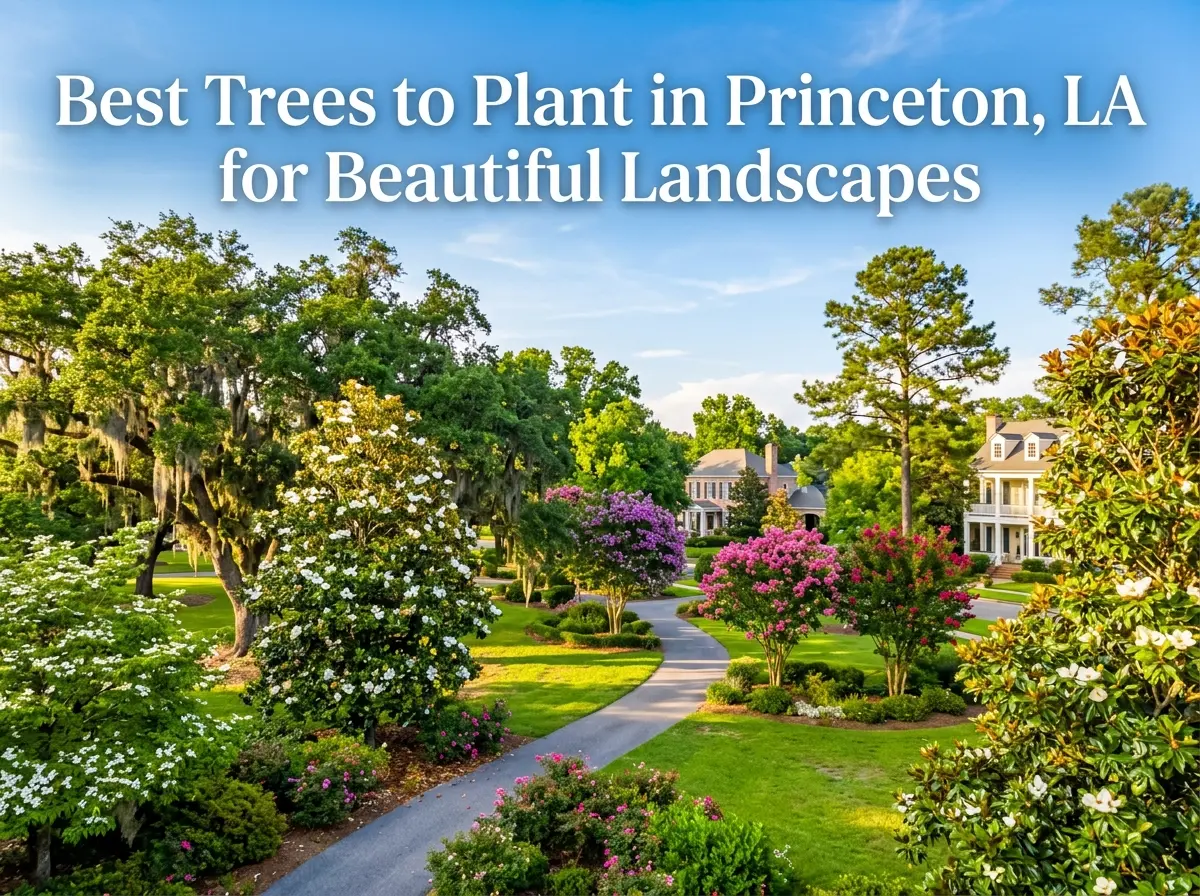
How Should You Care for a Newly Planted Tree The best trees to plant in Princeton, LA must handle local heat, rain, and winter cold. They should also fit your soil, yard size, and long term goals. Princeton is in north Louisiana, which the updated USDA map places mainly in Zone 8b. Choosing trees suited to this climate gives your landscape a stronger start and lowers future care needs.
What Makes the Best Trees to Plant in Princeton, LA?
The best trees for Princeton combine climate tolerance, strong growth, and useful landscape value. Some provide deep shade, while others offer flowers or evergreen color. Native and well-adapted trees often handle Louisiana conditions better once established. However, the right tree still depends on the exact planting site.
How Should You Match a Tree to Your Yard?
Start by checking sunlight, drainage, and available space. A tree that loves wet soil may struggle on a dry hill. A wide oak can also become a problem near a small home. LSU AgCenter recommends considering mature size, maintenance needs, shade, and year-round interest before planting.
Look above and below the planting spot. Avoid power lines, septic areas, driveways, and buried utilities. Also consider falling leaves, fruit, roots, and branches. A small tree may suit a front entry, while a large shade tree needs open ground.
Are Native Trees Better for Louisiana Homes?
Native trees are often a smart choice for local yards. They developed around Louisiana weather, soils, insects, and wildlife. Once established in the right site, many need less water and fewer treatments. They can also provide food and shelter for birds and pollinators.
Still, “native” doesn’t mean trouble-free. A native tree planted in poor drainage can fail. The goal is to match each tree to the site. Healthy roots and enough growing room matter more than labels alone.
What Are the Best Trees to Plant in Princeton, LA?
The best choices include large shade trees, flowering trees, and evergreens. Each tree below can suit north Louisiana when planted correctly. Some need wide open space, while others fit smaller yards. Review mature size before buying any tree.
1. Bald Cypress
Bald cypress is one of the strongest choices for Louisiana landscapes. It handles wet ground but can also grow in drier lawn areas. The tree grows fairly fast and develops a tall, balanced shape. Its soft green foliage turns warm copper before falling.
This native tree works well near ponds, drainage areas, or large lawns. Give it plenty of vertical and root space. In very wet ground, it may form raised “knees.” Keep that feature away from walkways and mowing paths.
2. Nuttall Oak
Nuttall oak is a strong shade tree for Louisiana homes. It tolerates a wider range of soils than many other oaks. It can also handle sites that stay moist after rain. The broad crown creates useful summer shade as the tree matures.
Plant Nuttall oak where it has room to become large. It isn’t a good choice beside foundations or narrow driveways. Its fall color can add seasonal interest. Like most large oaks, it offers long-term value rather than instant results.
3. Shumard Oak
Shumard oak is another dependable option for a spacious yard. It develops a strong shade canopy and often shows rich fall color. The tree is native to the region and works best in full sun. It prefers enough space for roots and branches to spread.
This oak can anchor a large front or back landscape. Place it far from roofs and utility lines. Young trees need steady watering during dry periods. Once established, care becomes easier when the soil and space are suitable.
4. Southern Magnolia
Southern magnolia brings evergreen leaves and large white flowers. It gives a yard a classic Louisiana look throughout the year. The tree can become broad, dense, and very large. LSU AgCenter lists it among popular trees for Louisiana landscapes.
Choose this tree for an open lawn or large property. Don’t crowd it against a house or fence. Fallen leaves and flower parts can require cleanup. Smaller cultivars may work better when full-size magnolias are too large.
5. Eastern Redbud
Eastern redbud is a good choice for smaller landscapes. Pink-purple flowers appear before the leaves in early spring. Its heart-shaped foliage creates light shade without covering the whole yard. LSU AgCenter includes redbud among recommended small flowering trees.
Use redbud near a patio, entry, or woodland edge. It grows best where harsh afternoon heat is limited. Well-drained soil helps protect its roots. The tree has a shorter lifespan than many oaks, but its spring display is hard to beat.
6. American Holly
American holly provides evergreen structure and winter interest. Female trees can produce red berries when a suitable male pollinator is nearby. Birds often use the fruit and dense branches. The tree can grow into a large specimen or be trained for screening.
This native tree suits privacy areas and mixed borders. It accepts sun or partial shade in many landscapes. Avoid placing its sharp leaves beside busy walkways. Choose a healthy nursery tree with a clear form and enough future space.
7. Sweetbay Magnolia
Sweetbay magnolia is a graceful alternative to Southern magnolia. It has fragrant flowers and a lighter, less massive shape. The tree can handle moist soil and adds wildlife value. LSU AgCenter recognizes sweetbay magnolia as a well-adapted Louisiana landscape choice.
Plant it near a rain garden or naturally damp area. It also works as a small lawn tree where soil doesn’t dry too hard. Depending on the plant and winter conditions, it may be evergreen or partly deciduous. Its softer form fits relaxed landscape designs.
8. River Birch
River birch is useful where the ground stays moist. Its peeling bark creates strong visual interest during every season. The tree grows faster than many large hardwoods. LSU AgCenter lists it among trees that tolerate wet Louisiana soils.
Give river birch steady moisture and enough room. It can struggle in hot, dry, compacted soil. Multi-trunk forms look natural near ponds or drainage zones. Expect small twigs and leaves to create some cleanup under the canopy.
Which Trees Fit Common Princeton Landscape Goals?
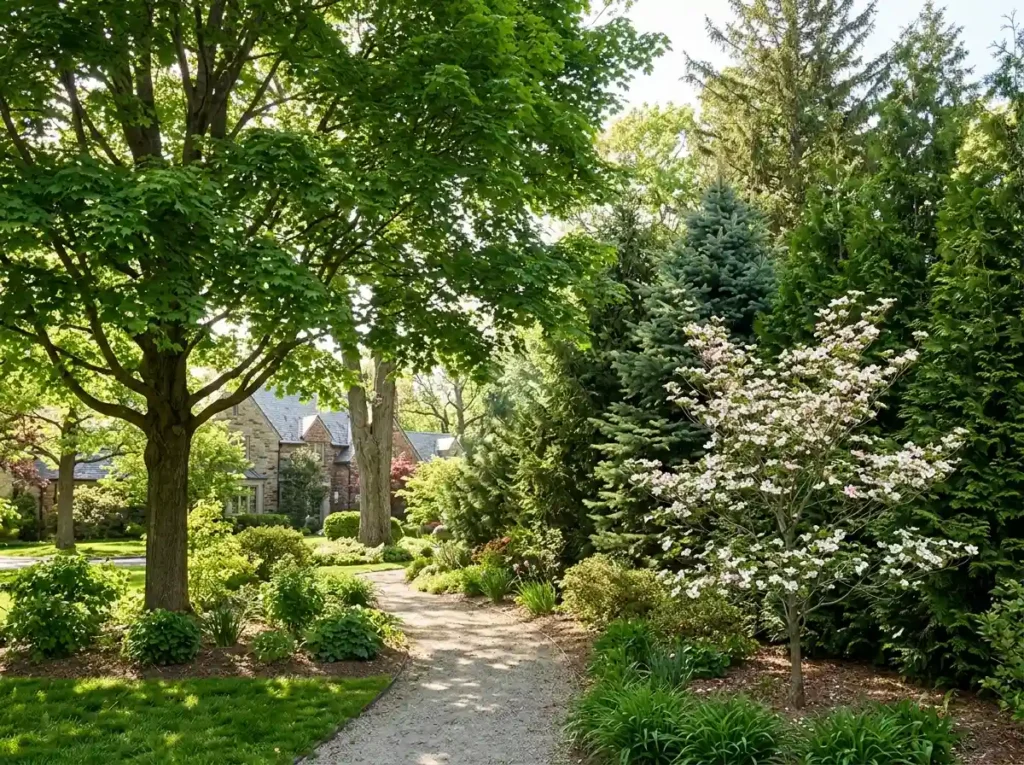
The right tree depends on what your yard needs most. A fast-growing tree may offer quicker shade, but growth speed shouldn’t be the only factor. Large trees need more room and may create more cleanup. Use this guide as a starting point before checking your exact soil and space.
The right tree depends on your landscape goal. Nuttall oak and Shumard oak are good choices for deep shade, but they need large, open yards. Bald cypress and river birch grow faster, though each tree should match the soil moisture in your yard. Southern magnolia and American holly provide evergreen color, but both need enough room to reach their mature width. Eastern redbud works well in smaller yards and prefers well-drained soil.
For wet areas, bald cypress, river birch, and sweetbay magnolia are strong options, as long as they don’t block natural drainage. Native oaks, bald cypress, and American holly usually need less care after they become established. Still, no tree is fully maintenance-free. Young trees need regular watering, light pruning, mulch, and storm checks. Good placement helps prevent most future problems.
How Do You Choose the Best Trees to Plant in Princeton, LA?
Choose trees by purpose, mature size, and soil conditions. Don’t select a tree only because it looks good at the nursery. A small container tree can later reach the roof or cover a driveway. Planning now protects your home and the tree.
First, decide whether you need shade, flowers, screening, or wet-soil control. Next, measure the planting space. Check how quickly water drains after heavy rain. Finally, choose a healthy tree with sound bark, good roots, and a balanced trunk. LSU AgCenter advises buyers to inspect trunks, branches, wounds, and root health before purchase.
When Is the Best Time to Plant Trees in Louisiana?
Fall through winter is usually the Best planting period in Louisiana. Cooler weather reduces stress on new trees. Roots can begin growing before summer heat arrives. LSU AgCenter recommends this season for adding trees to home landscapes.
Summer planting is possible, but it needs closer watering. Avoid planting during extreme heat or when soil stays flooded. Container trees can be planted across more months than bare root trees. Still, cooler months give most homeowners an easier start.
How Should You Care for a Newly Planted Tree?
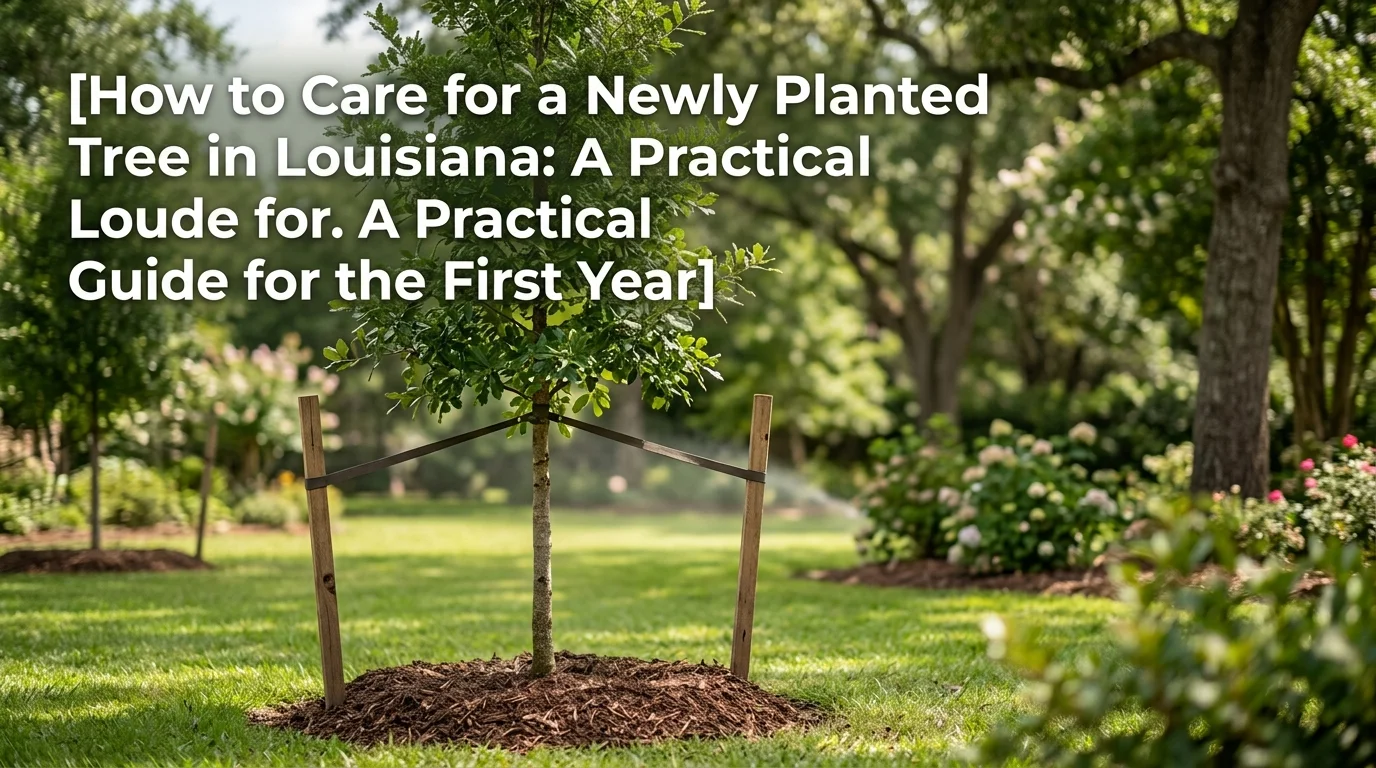
New trees need deep steady care during their first year. Water the root ball when the weather stays dry, but don’t keep it soaked. Spread mulch over the root zone and pull it away from the trunk. LSU AgCenter recommends regular watering during establishment and warns against piling mulch at the base.
Don’t add heavy fertilizer at planting time unless a soil test shows a need. Remove broken branches, but avoid hard pruning. Keep grass and weeds away from the young trunk. Check ties and stakes so they don’t cut into growing bark.
FAQS
What Is the Best Shade Tree for a Princeton Home?
Nuttall oak is one of the best shade trees for many Princeton yards. It handles several soil types and can tolerate moisture better than some oaks. Shumard oak is another strong choice for open, sunny ground. Bald cypress works well when drainage is slow. The best choice depends on yard size, soil moisture, and distance from buildings.
What Are the Best Fast Growing Trees in Louisiana?
Bald cypress and river birch are two useful fast-growing trees for Louisiana landscapes. Bald cypress is highly adaptable and can handle both wet and drier sites. River birch prefers steady moisture and offers attractive bark. Fast growth can mean weaker structure in some species, so speed shouldn’t replace proper selection. Always check mature height and spread first.
Which Native Trees in Louisiana Need Less Care?
Bald cypress, Nuttall oak, Shumard oak, American holly, and eastern redbud can need less care once established. Their success still depends on correct placement. A moisture-loving tree won’t stay low maintenance in dry soil. Native trees also need watering during their first growing seasons. Good soil, mulch, and enough root space make the biggest difference.
Can I Plant a Large Tree Close to My House?
Large trees shouldn’t be planted close to a house. Their branches may reach the roof, while roots can interfere with hard surfaces or damaged pipes. Mature width matters more than the tree’s current nursery size. Keep large oaks, magnolias, and bald cypress in open areas. Ask a local arborist about safe spacing for your property.
What Is the Best Low-Maintenance Tree for a Small Yard?
Eastern redbud is a practical low maintenance choice for many small yards. It offers spring flowers and doesn’t reach the size of a large oak. American fringe tree is another Louisiana friendly option worth considering. Both still need suitable drainage and early watering. Keep them away from tight corners where branches can rub walls or roofs