
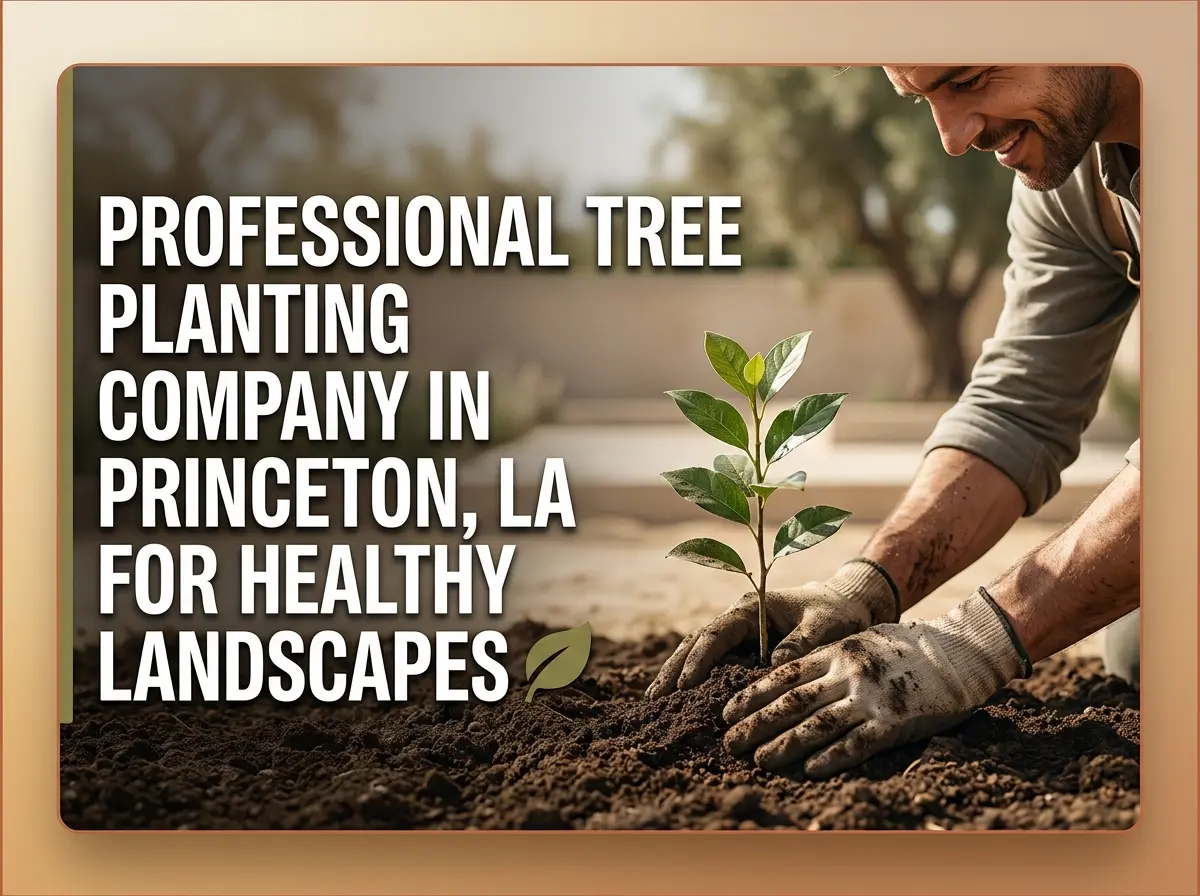
A trusted Tree Planting Company Princeton LA property owners can rely on does more than dig holes. It helps you choose healthy trees and place them correctly. Good planting also supports stronger roots and steady growth. This can protect your landscape investment for many years.
Trees can add shade, privacy, beauty, and natural character. Yet poor planting can cause weak growth or early tree loss. The wrong location may also create problems near buildings or utility lines. Professional planning helps prevent these common mistakes.
Why Hire a Tree Planting Company in Princeton, LA?
A professional tree planting company in Princeton, LA helps each tree start correctly. The team studies the planting area before work begins. It also checks the tree’s space, light, and drainage needs. This gives the roots a better chance to grow.
Planting a tree may look simple at first. However, small mistakes can cause long term damage. A tree planted too deep may struggle for air. A tree planted too high may develop dry roots.
Experienced crews understand these risks. They prepare the soil and handle the root system with care. They also leave enough room for the tree’s future size.
Professional help saves time as well. You won’t need to move heavy trees or guess about placement. The crew brings the right tools for safe installation. It also cleans the area after the job.
This makes the process easier for homeowners and property managers. You get a neat result without the stress of doing everything alone.
What Makes Professional Tree Planting Services Better?
Professional tree planting services focus on the full life of the tree. They don’t only focus on how it looks on planting day. The goal is healthy growth and strong root development. Every step supports that goal.
A trained crew checks the tree before placing it. It looks for damaged branches, weak roots, or poor structure. Trees with serious problems may not grow well after planting.
The crew also considers the mature size of each tree. A young tree may look small today. However, its branches and roots can spread far over time.
Proper spacing helps prevent future problems. It keeps branches away from roofs and power lines. It also reduces pressure on sidewalks, driveways, and nearby plants.
Why Does the Correct Planting Depth Matter?
The correct planting depth helps roots receive air and moisture. The tree’s root flare should stay near the soil surface. Covering it with too much soil can weaken the trunk. It may also slow healthy root growth.
Trees should not sit inside deep, narrow holes. Roots need space to spread outward. A wider planting area often supports better root movement.
The crew also avoids packing loose soil against the trunk. Soil and mulch should not form a high mound around it. This can trap moisture against the bark.
Correct depth may not seem important at first. Yet it can affect the tree for many years. Good planting creates a stable base from the beginning.
Why Is Site Preparation Important?
Site preparation gives the tree a cleaner place to grow. The crew removes weeds, grass, rocks, and other barriers. It may also loosen hard soil around the planting area. This helps young roots move beyond the original hole.
Drainage is another key concern. Water should reach the roots without sitting too long. A constantly wet area may not suit every tree type.
The planting team checks how water moves across the site. It may suggest a different tree or another location. This is often better than forcing a tree into a poor spot.
Good preparation also makes watering easier. Water can soak into the root area more evenly. This supports steady growth during the first seasons.
How Does a Tree Planting Company in Princeton, LA Choose Trees?
A tree planting company in Princeton, LA studies your site before suggesting trees. It looks at sunlight, soil, water, and available space. It also asks what you want the tree to provide. These details guide the final choice.
Some property owners want more shade near the home. Others need privacy beside a yard or outdoor area. Trees can also add color, wind protection, or a stronger property border.
No single tree works for every location. A tree that enjoys full sun may struggle in deep shade. Another tree may need more drainage than the site provides.
Local experience helps narrow the choices. The team can suggest trees that fit the area and your goals. It can also explain how large each option may become.
Which Site Conditions Should Be Checked?
Sunlight is one of the first things to check. Some trees need direct sun for most of the day. Others can grow with several hours of shade.
Soil moisture matters too. Low areas may hold water after heavy rain. Raised areas may dry faster during hot weather.
The crew should also check nearby structures. This includes fences, buildings, roads, and utility lines. Each tree needs enough space above and below ground.
Wind exposure may also shape the decision. Open areas can place more stress on young trees. The right tree and support method can reduce this risk.
How Do Your Landscape Goals Affect Tree Choice?
Your goals help determine the tree’s shape, height, and location. Shade trees often need wide growing areas. Privacy trees may work better in planned rows or groups. Decorative trees can support color and visual interest.
Think about how the property is used each day. A tree near a sitting area may provide welcome afternoon shade. Trees near a driveway must allow safe views and vehicle space.
Maintenance goals matter as well. Some people want trees with simple care needs. Others may enjoy flowering trees or seasonal leaf color.
A good planting plan balances appearance and function. It also considers how the landscape may change over time.
What Happens During Landscape Tree Installation?
Landscape tree installation follows a clear process from planning to cleanup. The crew marks the planting area and prepares the soil. It then places the tree at the correct depth. Final steps include watering, mulching, and checking stability.
Before digging, the team confirms the chosen location. It looks for visible risks and reviews the available space. Utility marking may also be needed before soil work begins.
The tree is handled carefully during movement. Rough handling can damage roots, branches, or the trunk. Trained crews know where to lift and support the tree.
How Is the Planting Area Prepared?
The planting hole should match the tree’s root system. It must allow roots to spread without being bent or crushed. The sides may be loosened to reduce soil barriers. This helps roots enter the surrounding ground.
The crew removes wrapping or containers as needed. It also checks for circling or damaged roots. Problem roots may need careful correction before planting.
The tree is then placed upright. The crew views it from several angles. This helps create a straight and balanced final position.
Soil is returned around the roots in stages. Large air spaces should be reduced without heavy packing. The goal is firm support with room for water and air.
What Happens After the Tree Is Planted?
Watering begins soon after the tree is placed. This settles soil around the roots. It also gives the tree moisture after the stress of moving.
Mulch may be spread over the root area. A proper mulch layer can slow water loss. It can also reduce grass and weed growth near the tree.
Mulch should stay away from the trunk. High mulch piles can hold moisture against the bark. A wide, shallow layer is usually safer.
Stakes may be used when the site needs extra support. They should not hold the tree too tightly. The trunk still needs some natural movement.
The crew may also explain the first watering schedule. Early care is important while new roots begin to spread.
When Should You Call Tree Contractors Near Princeton, LA?
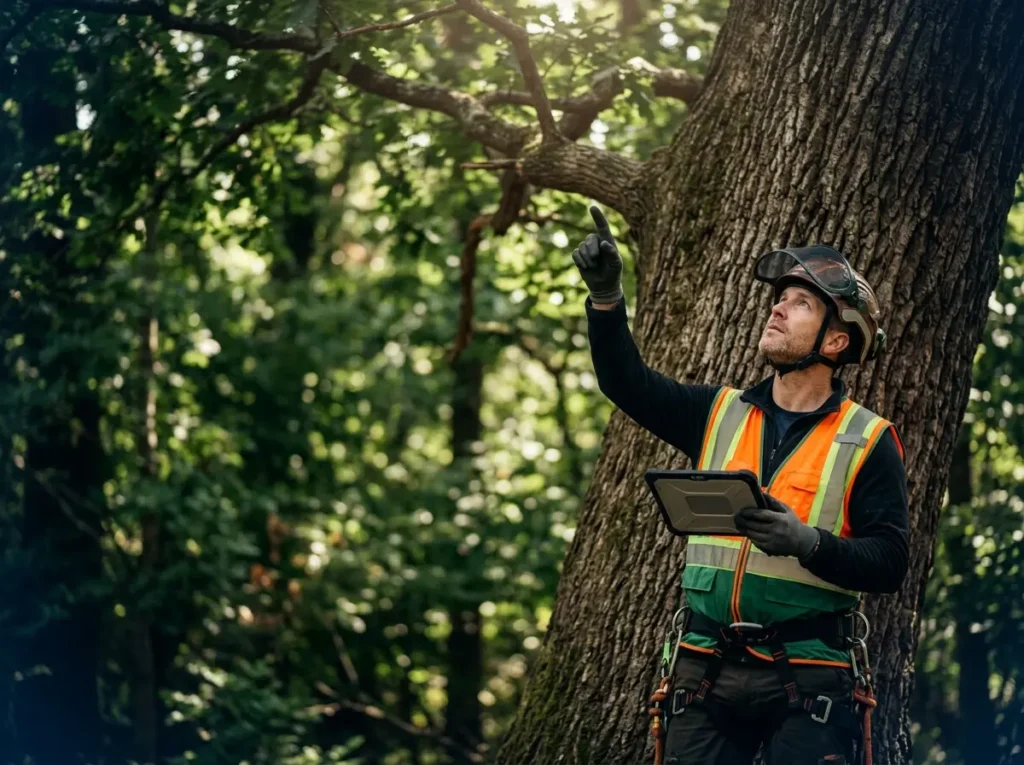
You should contact tree contractors near Princeton LA when planting involves large trees or difficult spaces. Professional help is also useful for several-tree projects. It reduces guesswork and lowers the risk of poor placement. The crew can plan the work as one complete project.
New construction is a common time to add trees. The landscape may feel open or unfinished after building work ends. Trees can add structure and soften hard property lines.
You may also need trees after removing old or damaged ones. Replacement planting can restore shade and improve the yard’s appearance. However, the old location may not always be the best new location.
Commercial properties can benefit from planned tree installation too. Trees may improve walkways, parking areas, entrances, and outdoor spaces. A clear plan keeps the design neat and balanced.
Professional support is also helpful when you don’t know which tree to choose. A contractor can compare your goals with the site conditions. This helps you avoid costly trial and error.
How Do Local Tree Planting Experts Support Healthy Growth?
Local tree planting experts support healthy growth through planning and early care. They understand common landscape problems in the area. They can also spot issues before those issues harm the tree. This makes follow-up care easier.
New trees need steady moisture while their roots become established. Too little water can dry the root ball. Too much water can reduce the air available to roots.
A good watering plan depends on the weather and soil. It may change during rainy or dry periods. The tree should be checked instead of watered by habit alone.
Young trees also need protection from lawn equipment. Trimmers can cut bark near the base. Repeated damage may weaken the trunk.
Keeping grass away from the root area can help. A proper mulch ring creates a clear space around the tree. It also reduces competition for water.
Early checks can catch leaning, broken ties, or damaged branches. Small corrections are easier during the first year. Waiting too long may make the problem harder to fix.
What Should You Expect From a Professional Tree Planting Company?
A professional tree planting company should provide clear advice and reliable work. The team should explain tree choices before installation. It should also discuss placement, care, and expected growth. You should understand what the project includes.
A written estimate helps prevent confusion. It may list the tree type, tree size, planting work, and cleanup. Any extra services should also be clear.
Good communication matters throughout the project. The crew should answer questions in simple terms. It should not pressure you into trees that don’t fit your property.
The work area should remain safe and organized. Trees should be handled carefully. Soil, containers, and other materials should be removed after installation.
A strong contractor also gives useful care guidance. This may include watering, mulch checks, and basic monitoring. Clear instructions help you protect your new landscape.
Healthy trees can change how a property looks and feels. They can create shade, privacy, and natural beauty. The best results begin with the right tree in the right place.
FAQS
What Is the Best Time to Plant Trees in Princeton, LA?
The best planting time depends on the tree type and current weather. Cooler periods often place less stress on new trees. The soil should be workable and not heavily flooded. A local planting professional can review the site and recommend a suitable schedule based on moisture, heat, and the tree’s condition.
How Much Space Does a New Tree Need?
Space needs depend on the tree’s mature height and width. Small trees may fit near garden areas or walkways. Large shade trees need more room from roofs, roads, and utility lines. A planting contractor should plan for the tree’s future size, not only its size on installation day.
How Often Should a Newly Planted Tree Be Watered?
New trees need steady moisture, but the soil should not stay soaked. Watering needs can change with heat, rain, soil type, and tree size. Check the soil near the root area before adding more water. Your tree planting team should provide a simple care plan for the first growing season.
Can Trees Be Planted Near a House or Driveway?
Trees can be planted near homes and driveways when spacing is planned carefully. The mature canopy and root area must be considered first. Large trees may need more distance than small decorative trees. Proper placement can reduce future problems with branches, pavement, foundations, and blocked views.
Do Newly Planted Trees Always Need Stakes?
Not every new tree needs stakes. Trees may need support in windy, open, or unstable areas. When stakes are used, ties should allow some trunk movement. They should also be checked and removed at the proper time so they don’t damage the bark or limit natural trunk strength.
Why Should I Hire Local Tree Planting Experts?
Local experts understand common weather, drainage, and landscape conditions near Princeton. They can match trees with the site and your goals. They also know how to prepare the soil and set the correct planting depth. This support can reduce planting mistakes and improve the tree’s chance of long-term growth.