
Planting a tree is not just a matter of digging a hole and putting the root ball in the hole. The depth of planting, the position of the roots in the soil, soil structure, watering, and mulch may all impact the likelihood of a young tree becoming established.
Homeowners can make a difference in the success and development of a tree in the Northwest Louisiana region by selecting the proper planting season and taking into account the heat, rain, and soil.
Start With the Right Planting Location
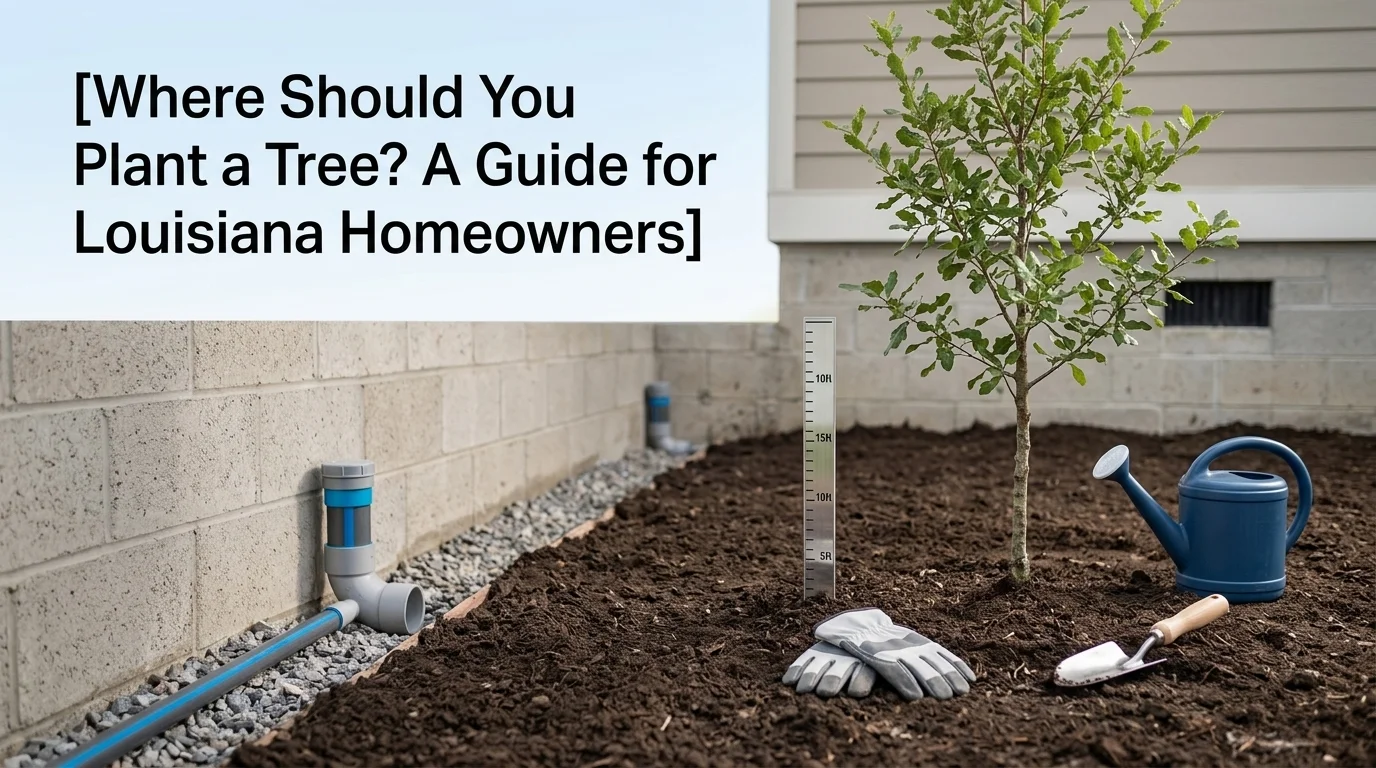
Examine the site from a tree’s point of view before digging. A small nursery tree may appear to fit into nearly any area of the yard, but once established can take up a lot more room. Examine overhead utility lines, underground utility lines, driveway, foundations, septic systems, and existing trees. Take into account the amount of sunlight that the area can expect to have on a typical day.
Generally, the best guideline is to select the site based on the tree’s adult size, rather than its size at planting time. This will avoid any future problems with buildings and allow the canopy and root system to grow.
Match the Tree to the Site
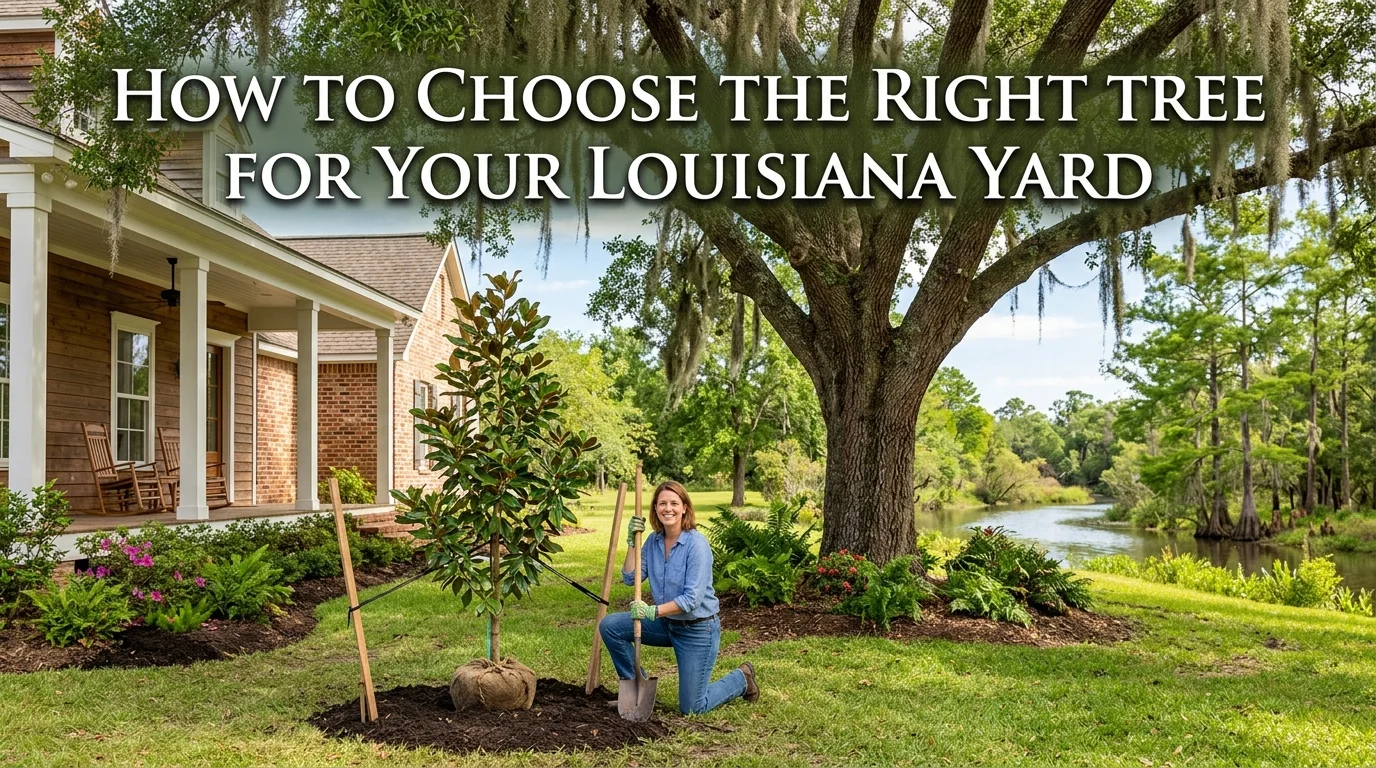
There are numerous trees that can be adapted to grow in Northwest Louisiana, but not every tree fits in every yard. Think about soil, drainage, sun, height, spread, and watering needs before buying a tree.
For example, a bald cypress will grow much better in wet conditions than a species that requires consistently well-drained soil. A live oak, on the other hand, requires a lot of space for its large canopy and should not be grown under electric or utility lines.
Prepare the Tree Before Digging
Before using a shovel, check the tree! The trunk should be fairly straight, branches should not have significant damage, and the root system should not have excessive circling or other obvious issues. When handling a container-grown tree, carefully remove it from the container, not by pulling on the trunk. Scrutinize the exterior roots and loosen any roots that are tightly wrapped around the root ball.
For a balled-and-burlapped tree, keep the root ball intact during handling. Removing the burlap too aggressively or allowing the soil around the roots to fall apart can create unnecessary transplant stress. Taking these steps ensures you have successfully chosen the right tree for your yard and are giving it the best possible start.
Dig the Planting Hole Correctly
The hole is as significant as the tree!
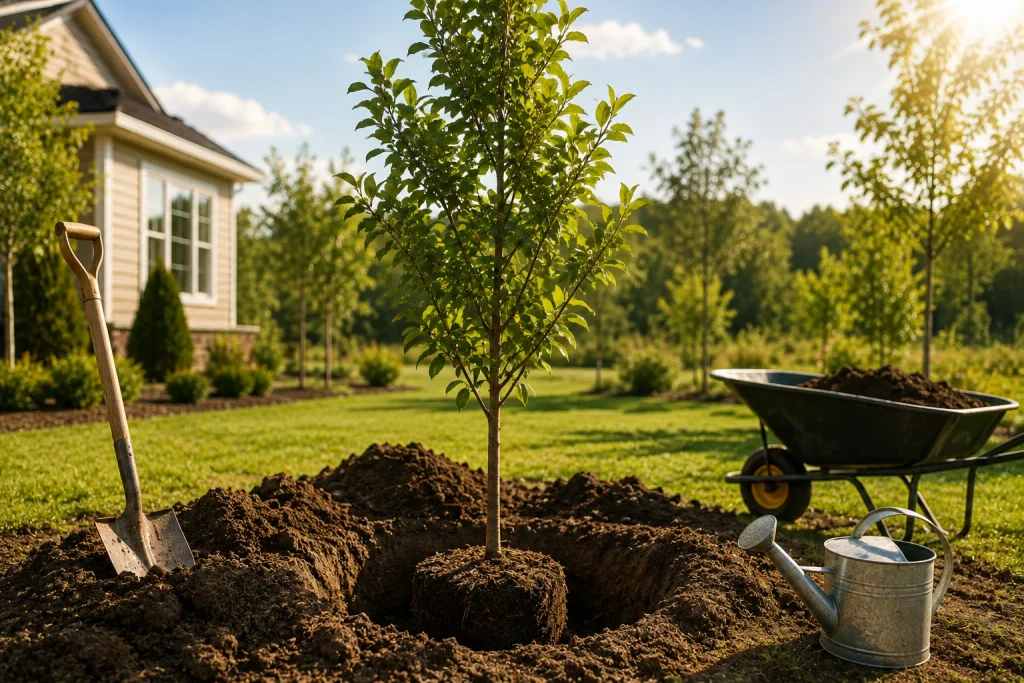
The hole should be 2 to 3 times wider than the root ball itself, but it shouldn’t be much deeper than the root system needs to go. A broad hole allows the new roots to grow freely in the surrounding soil.
| Planting Element | Practical Guideline |
| Hole width | About 2–3 times the root ball width |
| Hole depth | Approximately the root ball’s depth |
| Root flare | Keep it visible above surrounding soil |
| Mulch depth | About 2–3 inches |
| Initial watering | Water thoroughly after planting |
Avoid digging deeper to allow the tree to be planted lower. Excessive watering can cause the upper roots to become deprived of oxygen and have drainage issues if the root ball is set below the surrounding grade.
Check the Root Flare Before Backfilling
The first step that is critical is finding the root flare, where the root trunk starts to spread out and turn into large roots. After planting, the root flare should be visible. When the trunk does not widen in the soil but looks much like a telephone pole pushing into the ground, the tree may have been planted too deep.
Prior to adding soil, the tree should be straight, with the root flare at or slightly above the soil line. This is especially important since settling can result in the tree being planted below its normal height.
| Quick Note: Do not use extra soil, mulch, or compost to bury the trunk. Mulch piled against the bark can retain moisture around the trunk and create conditions that contribute to decay. |
Backfill Without Creating a Compacted Pit
After proper positioning, backfill with soil that was removed from the planting hole around the root ball. Avoid over-compacting the soil; break up large clumps. The objective is to eliminate as much large air space as possible but maintain adequate pore space for the root system, water, and air.
Many times, adding a lot of soil amendment to the planting hole isn’t necessary. Eventually, a tree must grow out of the original hole, and by creating drastically different soil conditions in the hole, it may deter natural root extension into the surrounding soil.
If the existing soil has a serious drainage or quality problem, that issue may require a more specific planting strategy rather than simply adding large quantities of organic matter.
Water the Tree Thoroughly After Planting
Newly planted trees require regular watering and mulching to help their root system get established. Water the root zone deeply enough to moisten the surrounding soil rather than relying on a quick sprinkle over the surface.
Northwest Louisiana has the potential for extreme weather, from heavy rainfall to hot, dry days. This doesn’t require homeowners to water their plants according to a set schedule year-round; however, it does require them to monitor the soil’s moisture rather than accepting what they see on a watering timer.
One easy way to check this is to look at the soil a couple of inches down. If it is becoming dry around the root zone, the tree may need additional water. Don’t allow the soil to stay permanently wet, especially in poorly drained soils. For roots to remain healthy, moisture and oxygen are both needed.
Apply Mulch the Right Way
Mulch will help keep water from evaporating too quickly, keep the soil temperature from becoming too hot or too cold, and prevent grass and weeds from competing with the young tree. The root zone should be covered with about 2 to 3 inches of mulch, but not touching the trunk. Avoid making a high pile of soil around the base of the plant.
A wide, thin layer of mulch is better than a small, tall pile. The mulched area can be gradually enlarged as the tree grows, consuming more of the root zone.
Does a Newly Planted Tree Need Staking?
Not every tree requires permanent staking.
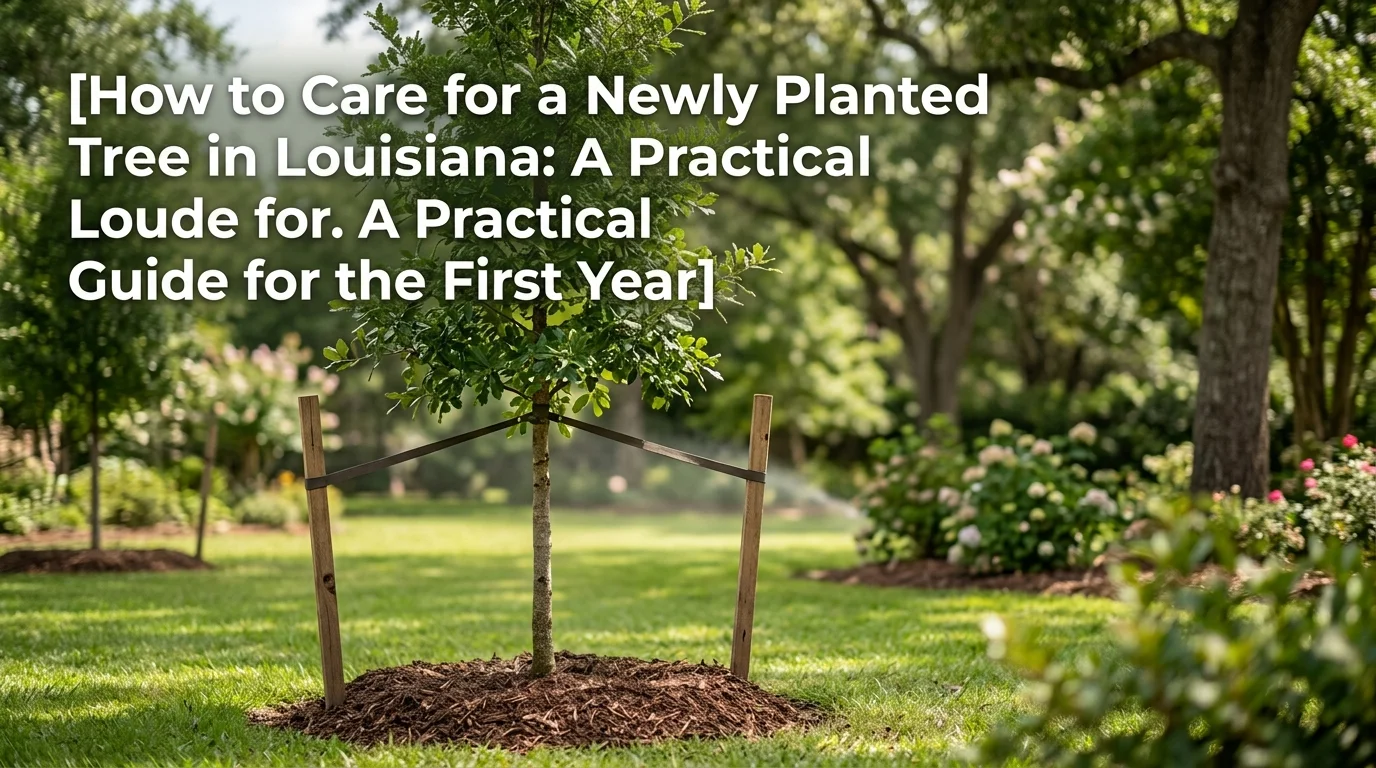
A properly planted young tree can often develop a stronger trunk and root system when it is allowed to move naturally in the wind. Staking may be appropriate for certain large trees, unstable planting sites, or trees with weak root balls.
If support is necessary, use flexible ties that allow some movement rather than tightly securing the trunk. Remove the support once the tree has established enough stability.
Care for the Tree During Its First Year
Planting is only the beginning. The first year is primarily about helping the tree establish roots before it has to handle the demands of long-term growth. Stay clear of grass and weeds in the immediate root zone, monitor soil moisture, check the trunk and branches frequently, and look out for any insect or disease problems.
First-Year Checklist
- Check soil moisture regularly during hot or dry periods.
- Maintain a 2–3 inch mulch layer.
- Keep mulch away from the trunk.
- Inspect for broken or damaged branches.
- Watch for unusual leaf discoloration or premature leaf drop.
- Adjust watering after periods of heavy rainfall.
- Check stakes and ties if the tree was supported.
Do not make the mistake of heavily pruning a newly planted tree just to shape it. It may be alright to take out broken, dead, or dangerous stems; however, the tree requires healthy foliage to make energy as it establishes its roots.
When Professional Tree Planting Makes Sense
A small container tree can be manageable for an experienced homeowner, but larger trees require more planning and equipment. Moving a heavy root ball incorrectly can damage the tree before it ever reaches the planting hole.
In addition, professional planting is beneficial where drainage problems, poor soils, access concerns, utility conflicts, or large established trees need special care.
For homeowners considering tree planting services in Northwest Louisiana, Tree Time Elite Tree Care can help evaluate the planting location, tree requirements, and installation needs before the tree goes into the ground.
Frequently Asked Questions
What is the best time to plant trees in Northwest Louisiana?
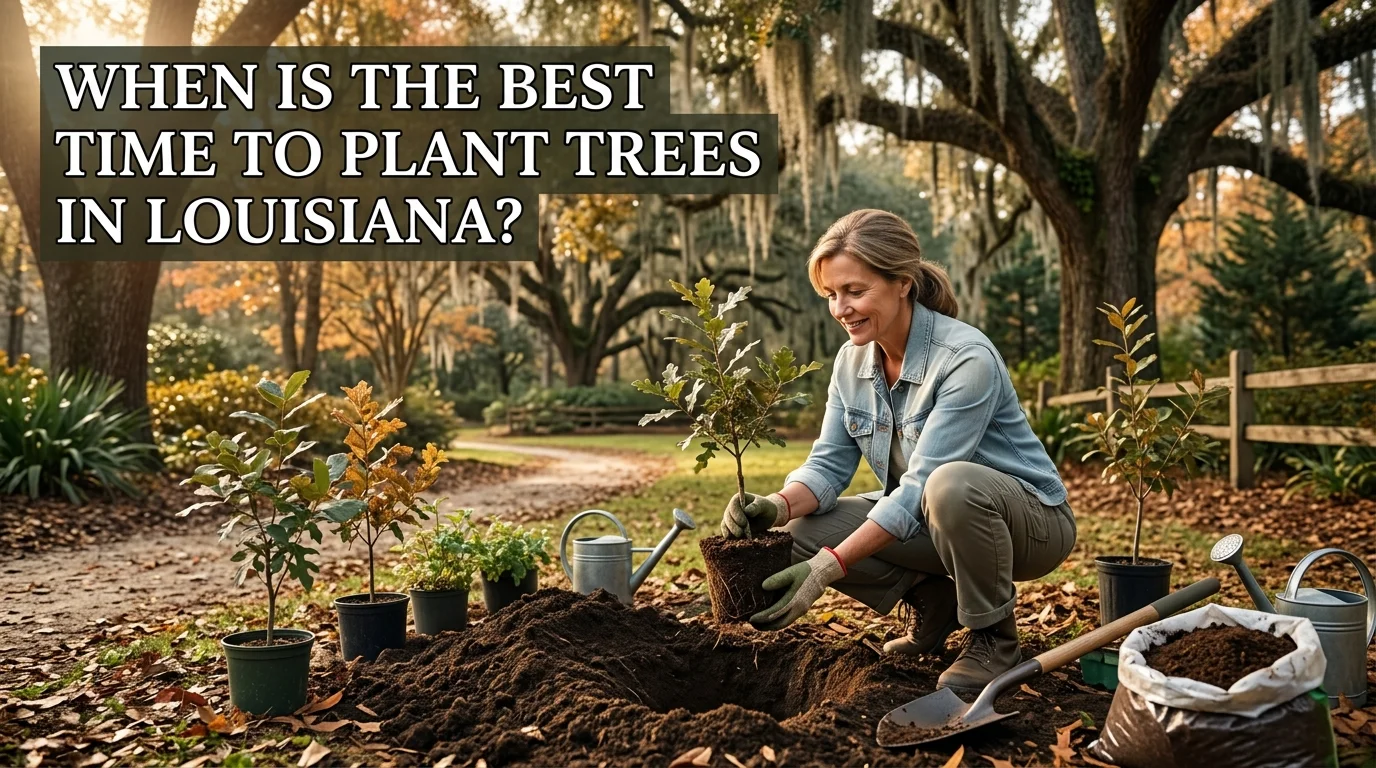
For many trees, November through February is an excellent planting window in Louisiana because cooler weather reduces transplant stress while roots can establish before the heat of summer. LSU AgCenter also adds that the entire planting time may extend into early March.
How deep should I plant a new tree?
New trees need to be watered more often during the period of root growth. The root flare must be exposed and should be level with or slightly above the surrounding soil surface and not be lost under several inches of soil.
How much water does a newly planted tree need?
New trees need more frequent watering while their roots establish. LSU AgCenter guidance provides a good reference of 1 to 2 gallons per inch of trunk diameter for each watering, based on soil moisture and rainfall.
How much mulch should I put around a newly planted tree?
The thickness of mulch needed to conserve moisture and temperature is typically 2 to 3 inches. But never pile mulch against the trunk, since this can cause other issues and decay.
Should every newly planted tree be staked?
No. Staking is primarily used for trees that are unsteady, have a large root ball, or are in conditions where the root ball can move. If stakes are used, LSU AgCenter recommends removing them once the tree is established, with some guidance placing that period at roughly 9 to 12 months.
Should I fertilize a tree immediately after planting?
Usually, no. The first priority is root establishment rather than pushing rapid top growth. LSU AgCenter guidelines suggest that fertilizing in the establishment phase usually does not increase the success rate for establishment, so first, homeowners should concentrate on watering, soil conditions, and root growth.
How long does it take a newly planted tree to establish?
In Louisiana, a useful general guideline is approximately three months of establishment time per inch of trunk diameter, although species, weather, soil, and watering can extend that period. A 2-inch tree, for example, may need roughly six months to become established.
Final Thoughts
Proper tree planting starts before the shovel touches the soil. Choosing the right site, preparing the root system, planting out a hole that is wide but not too deep will help with rooting out, leaving the root flare exposed, and maintaining good moisture levels all contribute to successful root establishment
During the first year, it is particularly important to pay attention to the seasonal weather and soil moisture in Northwest Louisiana. Some thoughtful choices when planting can help ensure a young tree will become a successful component of the landscape.
If you are planning to add a tree to your property and want help with proper placement or installation, Tree Time Elite Tree Care can provide professional guidance and tree planting services based on your property’s conditions.