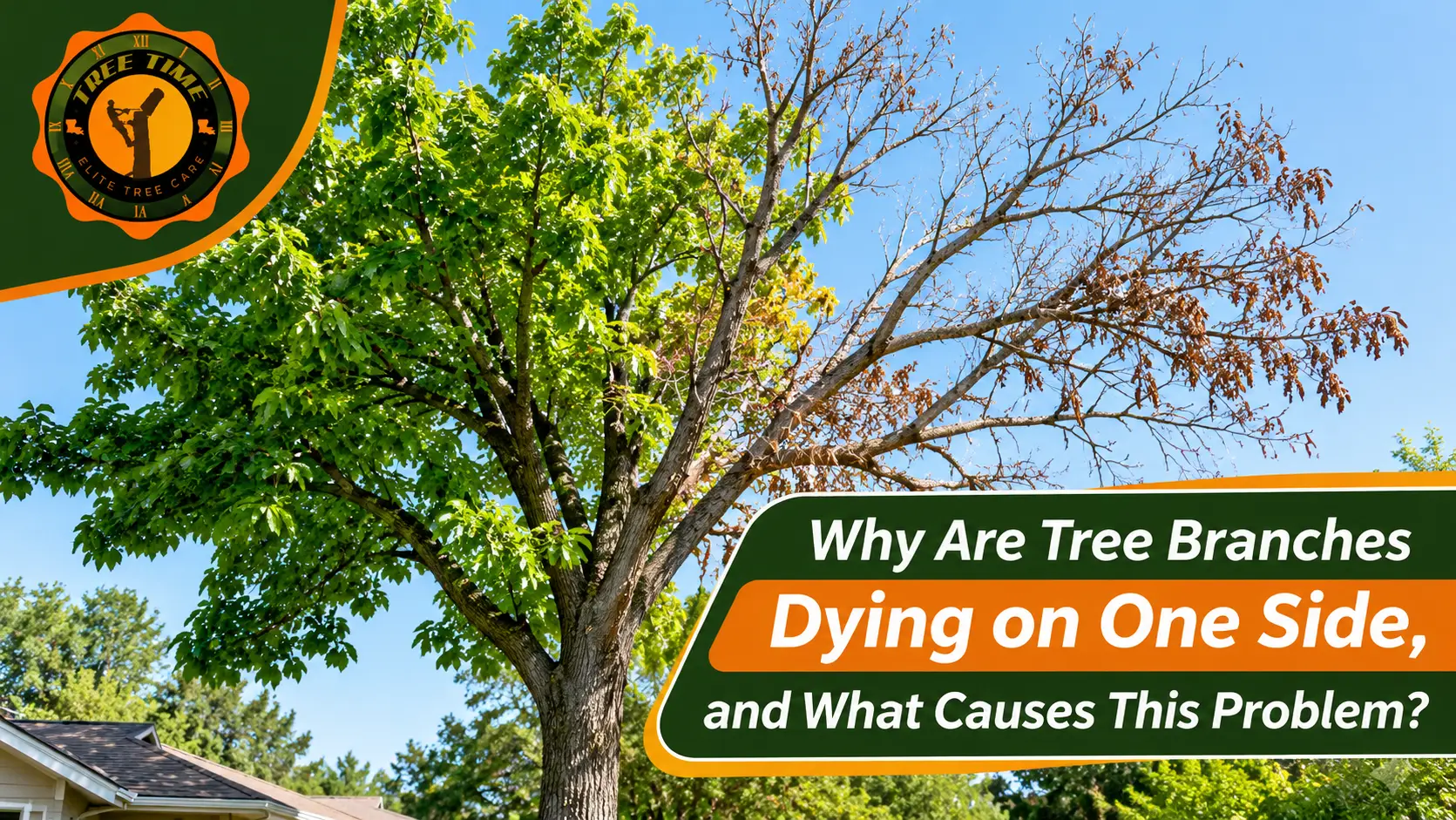
You walk into the yard, and something looks off. One side of the oak is full and green. The other side has bare limbs and brown leaves. That lopsided look is called one-sided tree dieback. Sometimes it comes from damage in one spot, like a cut root or an old trunk wound. Other times it is the first sign of a bigger health problem.
What Does One-Sided Tree Dieback Mean?
One-sided tree dieback means limbs on one part of the crown are failing while the rest keeps growing. This describes a symptom rather than identifying the underlying problem. Watch the leaves. Normal fall color spreads across the whole canopy at once. Dieback looks different. Leaves on the weak side may brown in early summer or never appear. Dead twigs snap instead of bending.
Why only one side? A tree’s plumbing is partly divided. In many species, roots on one side mostly feed the limbs right above them. Hurt that root area, and those branches go hungry. One dead limb in a healthy crown usually means isolated branch mortality. Decline that creeps outward each year points to progressive canopy decline.
What Causes Tree Branches to Die on One Side?
Several problems can hit one part of a tree harder than the rest. Most come back to one thing. Water and nutrients stop reaching the limbs that need them. Some of these problems start below ground. Others begin in the trunk itself. A few come from the space around the tree and the conditions it faces.
Root System Damage and Soil Compaction
Roots do the drinking for the whole tree. When a trench or grade change cuts roots on one side, the limbs above that zone lose part of their water. Heavy equipment causes harm even without digging. It packs the soil so tight that air and water can’t move through. Root damage has no set timeline. Some trees thin within a season. Others hold on for years.
Trunk Injuries and Vascular Tissue Problems
Just under the bark of the tree is the vascular tissue. The outer wood is called sapwood, and it transports the water up from the roots. A thin layer of inner bark transports sugar down from the leaves. Those pathways on one side of the trunk can be cut when struck by a mower or when bark is torn. Branches growing from that section wilt. A wound on one limb typically only impacts growth past the wound.
Fungal Diseases and Other Pathogens
Some fungal pathogens attack bark and wood head-on. They can form cankers, which are sunken or cracked patches of dead tissue. Over time, a canker can girdle a limb. Other fungi move into the water-carrying wood and plug it from inside. An infection may stay in one limb or spread through part of the crown. A lab test is sometimes needed to name the culprit.
Insect Infestation and Branch Damage
Wood-boring insects tunnel under the bark and into the wood. Those tunnels are called galleries, and they can cut off flow to a branch. Look for exit holes and frass, which looks like fine sawdust. Loose or oozing bark is another clue. Borers often target trees already weakened by drought or injury. A hole alone doesn’t prove an infestation, though. Woodpeckers leave holes too.
Environmental Stress and Uneven Growing Conditions
Northwest Louisiana summers bring long stretches of heat. The side of a tree facing a hot street or bright wall can dry out much faster than the shaded side. Storms tear limbs and crack branch unions on the exposed face. Poor drainage can leave part of the root system in soggy soil. Roots there run short of oxygen. Repeated stress like this wears one side down.
What Signs Help Identify the Cause of One-Sided Branch Decline?
Once you have symptoms, the list of suspects can be narrowed down. They seldom decide the issue themselves, as different problems are similar from the ground. Dry curled leaves can occur in a borer-damaged limb and in a root-starved limb. Use the table below to match what you see with what might be behind it.
| Visible Sign | Possible Explanation |
| Branches with dry, discolored leaves | Water stress or damaged vascular tissue |
| Dead limbs near a trunk wound | Localized trunk injury or decay |
| Bark cracks, sunken areas, or cankers | Possible disease or physical damage |
| Holes, galleries, or insect activity | Possible insect infestation |
| Decline near disturbed ground | Root damage or soil compaction |
| Thinning foliage across one exposed side | Environmental stress or repeated exposure |
Treat the table as a starting point. Dry leaves tell you water isn’t reaching those limbs. They don’t tell you why. A canker or a cluster of holes is a stronger lead. Timing helps too. Dieback a year after a new patio points somewhere very different than dieback after a summer storm.
Can a Tree Recover From One-Sided Canopy Dieback?
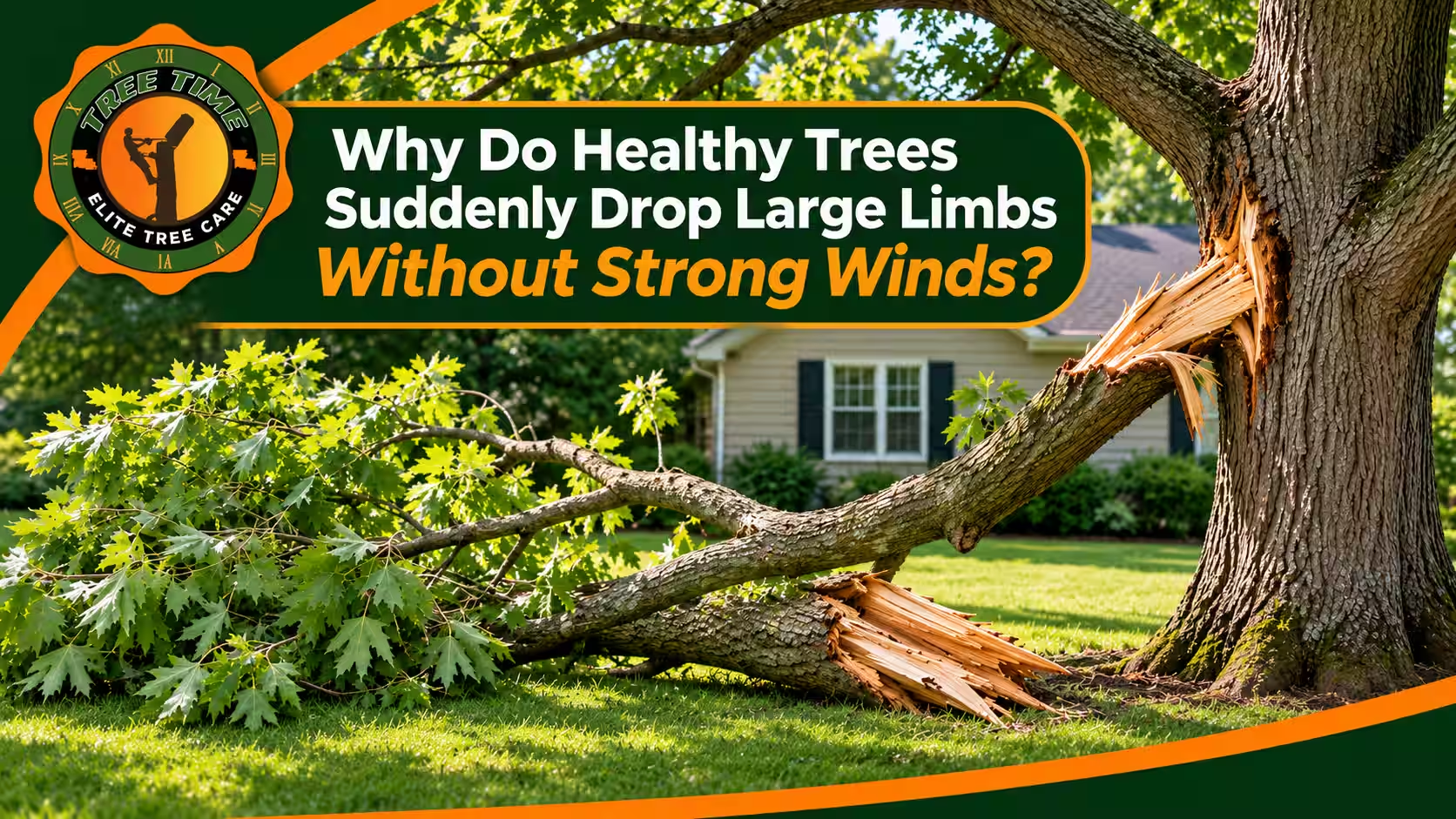
Recovery depends on the cause and how much healthy tissue the tree still has. A tree with a strong crown often holds steady once the stress is removed. That might mean fixing drainage or keeping cars off the roots. Dead limbs won’t come back to life, but careful deadwood pruning can remove hazardous branches without unnecessarily cutting healthy growth. Severe root loss or a wound that wraps the trunk makes recovery far harder. Get an assessment before anyone picks up a saw.
When Should You Have a Tree Inspected by an Arborist?
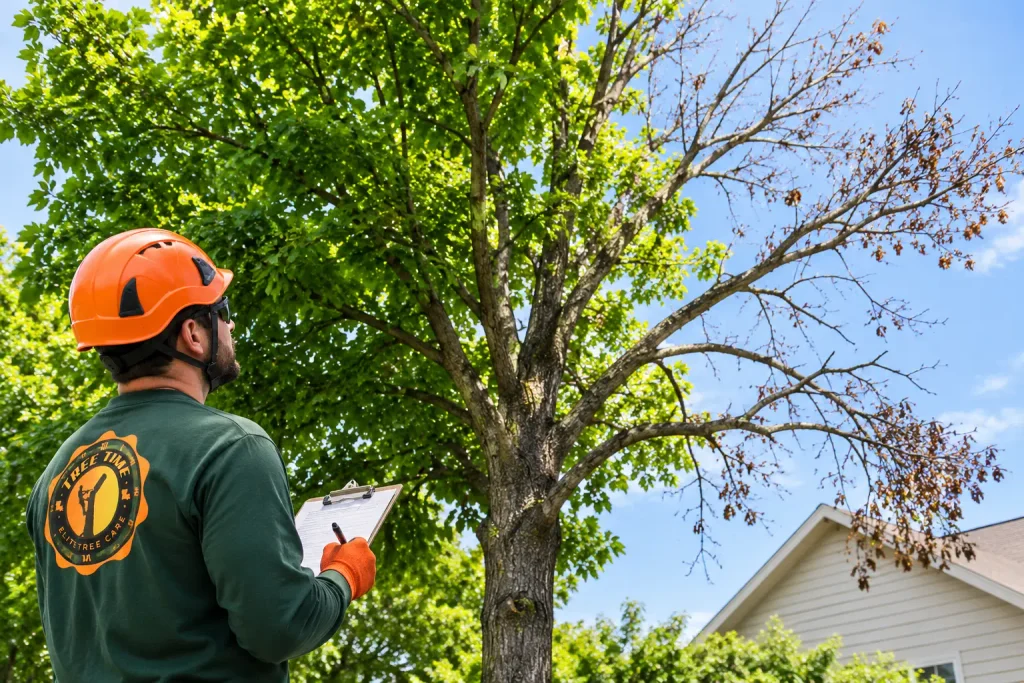
A small dead twig is rarely urgent. Trees shed bits of deadwood all the time. Certain signs are different. They suggest the problem is spreading or turning into a safety risk. If you spot any of these, it is time to have someone look at the tree up close.
- Dieback moving into parts of the canopy that looked healthy last season.
- Large dead limbs hanging over the house or a play area.
- Large cracks or open wounds along the trunk.
- Sudden decline after construction or grading near the tree.
- Several dead branches along with new leaves.
An arborist checks the whole tree. The work starts high in the canopy and moves down to the root zone. For tall trees with difficult-to-see branches, a drone inspection may help document visible canopy damage from above. When dead limbs could fall on people or property, a formal tree risk assessment may be the right next step. Leave high or heavy limbs to trained crews with proper gear. Cutting them yourself can put you and your home at risk.
How Is One-Sided Tree Dieback Assessed and Managed?
Pruning only removes visible dead branches. The first step to good management is to determine the cause of the deaths of those limbs. The careful assessment is performed step by step through the tree. Each step filters in and out some causes. That keeps the plan focused on the real problem instead of the symptoms.
- Inspect the canopy: Map which limbs are dead or declining across the crown.
- Examine the trunk and bark: Check for wounds and cankers below the weak branches.
- Check the root zone: Look for packed soil, recent digging, or standing water.
- Look for disease or insect activity: Search for fungal growth, oozing sap, or frass.
- Determine appropriate management: Decide if deadwood pruning or other corrective work makes sense.
Treatment follows the diagnosis. Pruning out dead and hazardous limbs lowers risk. It also cleans up the canopy. But pruning won’t repair a cut root. It won’t cure a fungal infection either. A drainage problem needs its own fix. When extensive decline raises concerns about whether a tree can be saved, understanding the signs a tree needs removal can help homeowners recognize when a professional assessment is especially important.
Frequently Asked Questions
Can a Tree Be Healthy on One Side and Dead on the Other?
Yes. Many trees move water in fairly separate channels. Specific roots feed specific branches. If the roots or trunk tissue on one side get damaged, that section can decline. The other side may keep growing as if nothing happened. That split explains why a lopsided crown can show up on a tree that otherwise seems strong.
Should Dead Branches on One Side of a Tree Be Removed?
Often, yes. Deadwood pruning takes out limbs that could break and fall. Large or overhead branches need trained hands and the right equipment. Removing them doesn’t finish the job, though. Someone still needs to figure out what killed those limbs. Without that answer, the same side may keep losing branches.
Does One-Sided Tree Dieback Mean the Entire Tree Is Dying?
Not necessarily. Plenty of trees live for years with one weak side. The outcome depends on how much healthy canopy remains. Root health matters a great deal. The underlying cause plays a big role too. A tree that lost a few limbs in one storm often has better odds than one with a spreading root problem.
Final Thoughts
One-sided tree dieback can trace back to root damage or a trunk wound. Disease and boring insects can cause it too. So can heat and other environmental stress. Spotting the signs early gives you more options. Finding the real cause helps you make a sound choice about your tree.
Tree Time Elite Tree Care serves homeowners across Northwest Louisiana. Owner Kevin Lee is a Louisiana-licensed arborist with 30 years of professional experience. If one side of your tree is fading, contact our team at (318) 470-5867 to discuss your tree health concerns and find out what steps to take next.