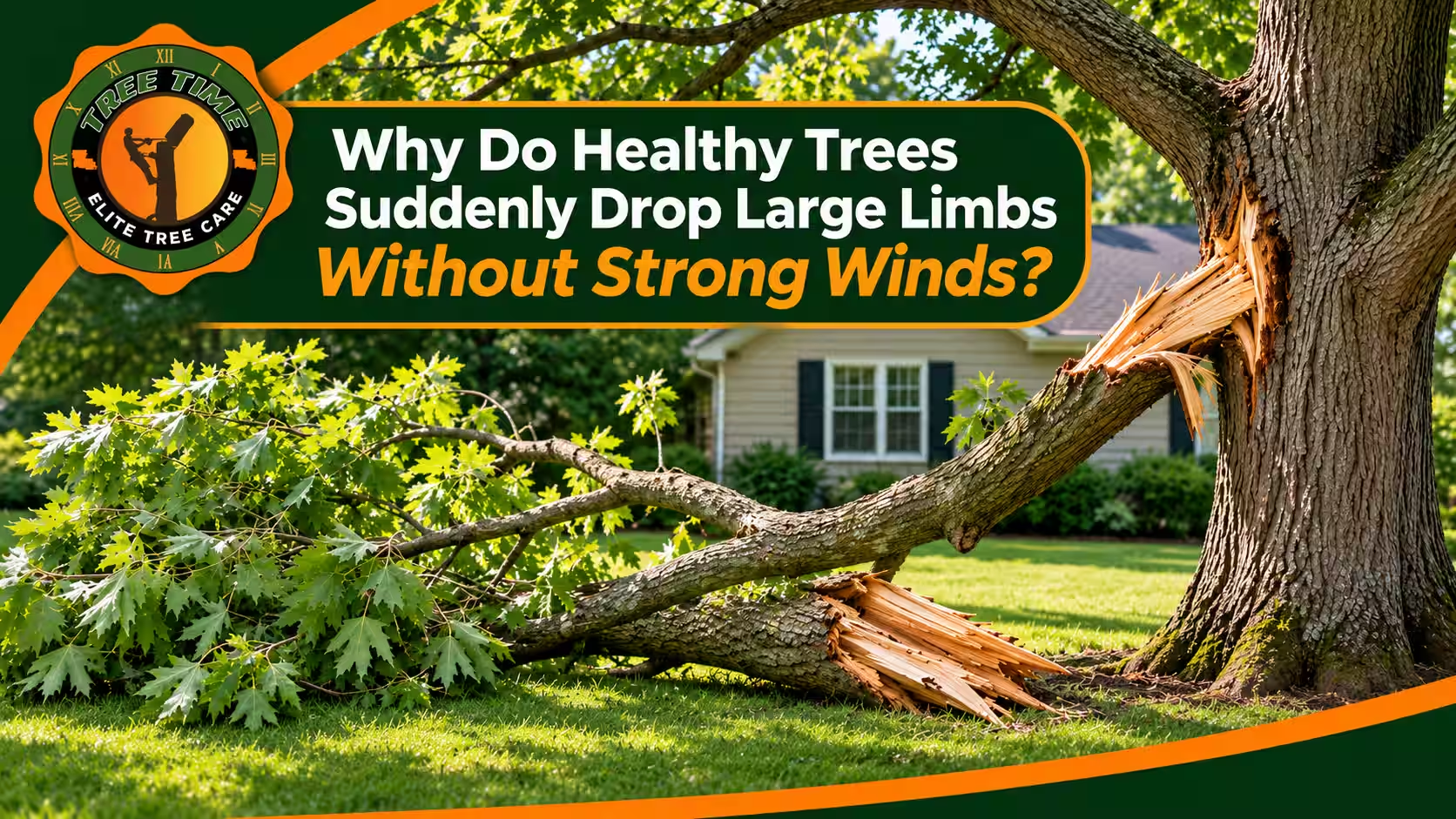
You step outside on a still summer afternoon and find a limb the size of a small tree across the lawn. The oak it came from still looks full and green, and the air barely moved all day. That’s a sudden tree limb drop, and it catches plenty of homeowners off guard. Green leaves say almost nothing about the wood holding each branch up. A limb can give out under its own weight once a hidden weakness has done enough damage, no wind required. Here’s what causes these failures, where summer branch drop fits in, and what to do when a big limb comes down.
What Is Sudden Tree Limb Drop?
Sudden tree limb drop happens when a large living branch breaks off with little warning and no storm to blame. The limb often carries green leaves up to the moment it hits the ground. One branch can hide a structural problem while the rest of the canopy grows just fine.
Don’t mix this up with the normal shedding of twigs and thin dead stems. A sudden branch failure involves a big, heavy limb that can weigh hundreds of pounds. Summer branch drop is a related pattern where mature limbs fail on hot, calm days. Not every calm-day break fits that label, because many trace back to defects someone could have spotted.
Why Can a Healthy-Looking Tree Lose a Large Limb Without Wind?
Gravity pulls on every limb around the clock, and a sound branch handles that load without trouble. Once decay or a bad attachment eats into its strength, the limb can hit its breaking point on a dead-calm day.
Hidden Wood Decay Can Weaken a Branch From Within
Decay fungi get in through wounds and old pruning cuts, then feed on the wood inside a branch for months or years. The bark often stays intact, so the limb looks normal from the ground even as its core turns soft or hollow. Watch for cavities, mushrooms, or shelf-like conks on the bark and spots where wood crumbles. None of those guarantees a fall, since trees can wall off decay for years. Less solid wood still means less strength to hold the same weight.
Weak Branch Attachments Create Structural Problems
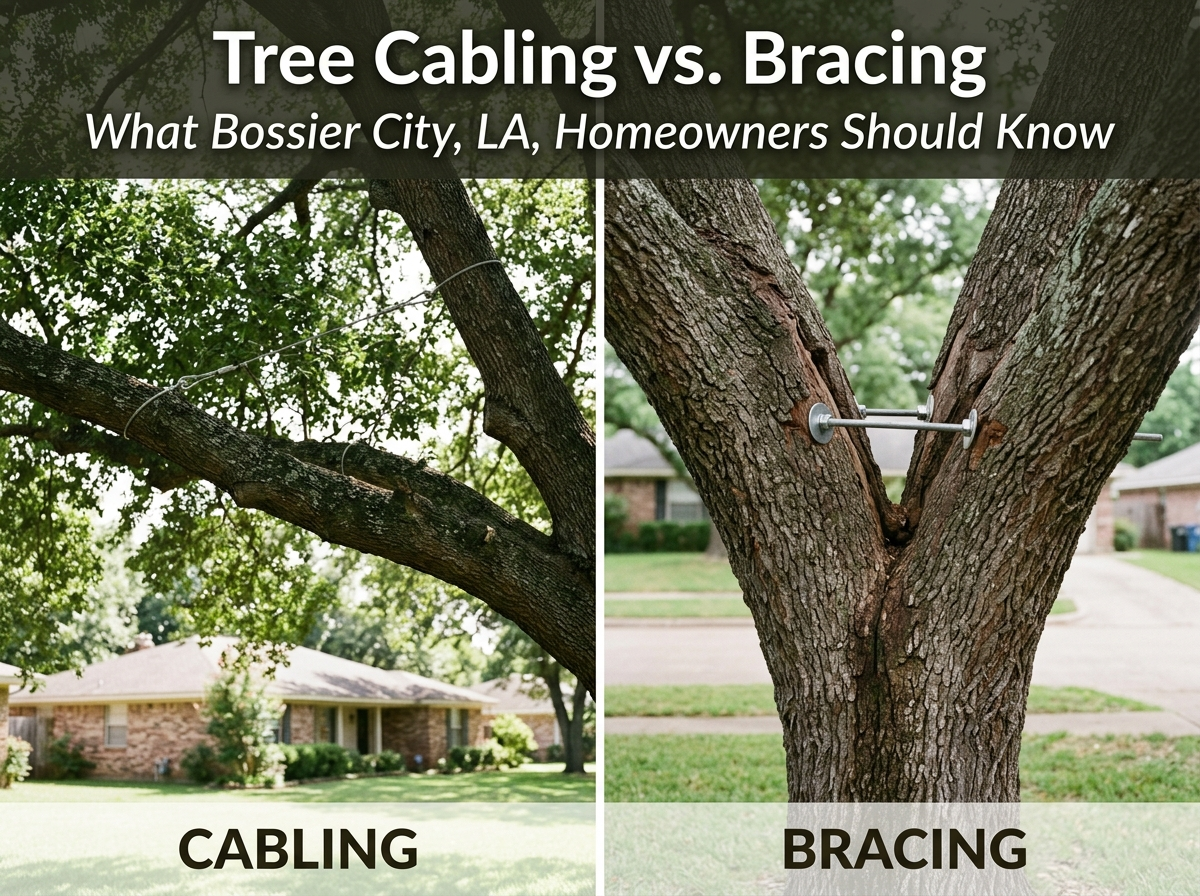
A branch union is the spot where a limb joins the trunk or another stem. In a strong union, wood from both parts grows together and locks the limb in place. In a tight V-shaped union, the two stems can trap bark between them as they grow. Arborists call that included bark. It keeps the wood from fusing, so the joint tends to split under load. Unlike decay, the wood itself may be sound while the connection fails.
Heavy Limbs Experience Increasing Mechanical Stress
Hold a gallon of milk against your chest, then hold it at arm’s length. A long horizontal limb works the same way, and the farther the weight sits from the trunk, the harder it pulls on the attachment point. Dense foliage near the tip piles on more. Old cracks and bad pruning cuts weaken that same stretch of wood. Stack heavy end weight on a damaged spot, and the limb can snap with no warning you’d notice from the patio.
Can Summer Heat Cause Large Branches to Fall on Calm Days?
Summer branch drop stands out because a big limb comes down on a hot, quiet afternoon with no storm and often no obvious defect. Arborists have reported the pattern for decades, but nobody has pinned down one clear cause.
How Heat and Moisture Changes May Contribute
Long stretches of heat and dry weather stress a tree and may change how water moves through the wood in large limbs. Some researchers think shifting moisture inside a branch could create internal tension or tiny cracks in the wood fibers. Rain after a dry spell can also load leaves and branches with extra weight. Treat these as possible explanations, not proven ones.
Why the Exact Cause Is Still Uncertain
No single theory covers every reported case. Heat, moisture, limb weight, and hidden defects may all play a part and likely interact differently from tree to tree. Some failed limbs show decay or cracks at the break, which points to an ordinary structural cause. Others show sound wood and no clear reason at all. A branch that breaks on a hot day isn’t automatically a summer branch drop.
Which Trees and Branches May Face a Higher Risk of Sudden Failure?
Species, age, branch structure, and growing conditions all shape the risk, though plenty of big old trees never drop a limb.
Mature Trees With Long, Heavy Branches
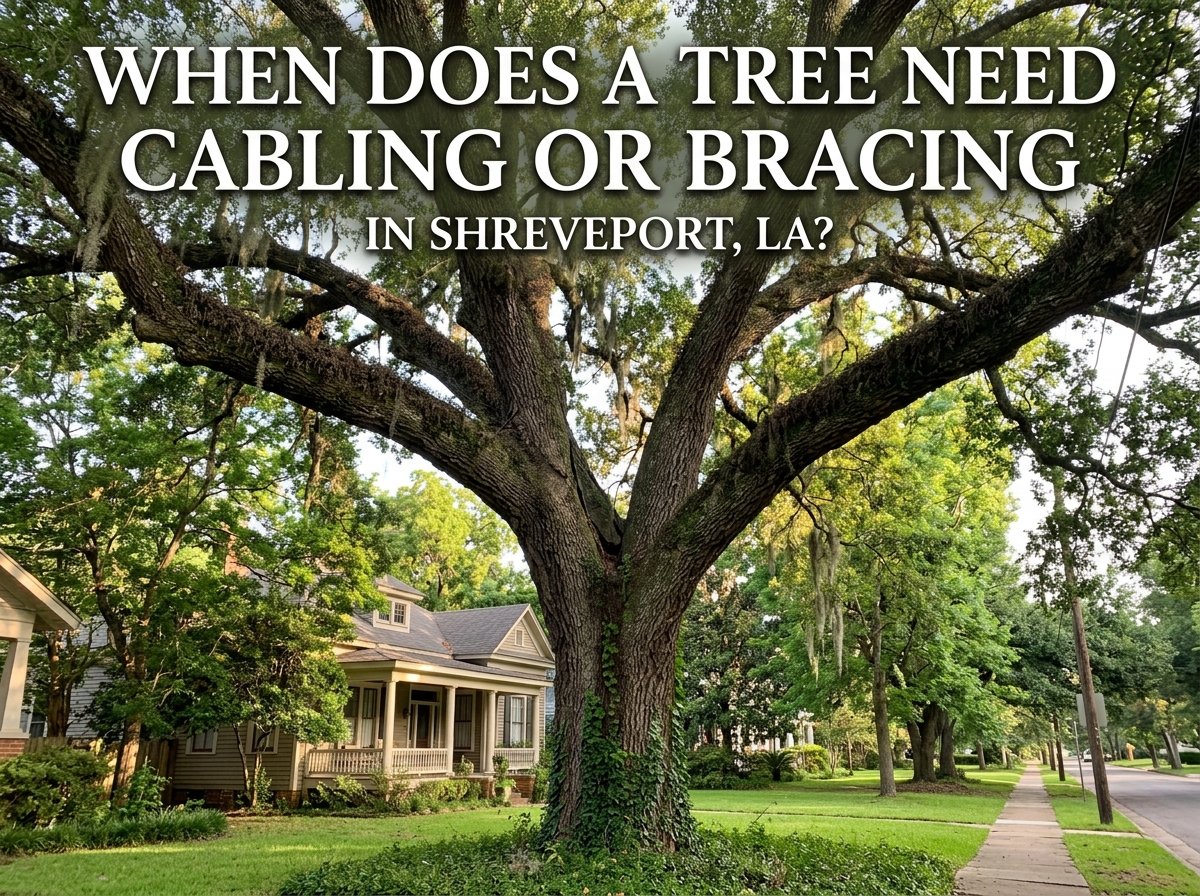
Branches that grow out sideways instead of up put more leverage on their attachment points, especially with heavy foliage near the tips. Mature oaks make a good example in Northwest Louisiana, where live oaks and water oaks often spread wide limbs over yards and roofs. That doesn’t make every oak dangerous, but those long limbs deserve a periodic check.
Trees With Existing Structural Defects
A tree with weak unions, cracks, decay, or old limb damage starts with less margin for error. If it has dropped a big branch before, take that history seriously because the same conditions may affect other limbs. A weak branch over the back pasture can wait, while the same one over your driveway or patio needs attention sooner.
What Warning Signs May Indicate a Dangerous Tree Limb?
Some limbs fail with no visible warning at all, but others show defects you shouldn’t ignore:
- Cracks near a branch union: a split or gap opening where the limb meets the trunk.
- Included bark: a tight V-shaped joint with bark wedged between the stems.
- Dead or declining sections: bare branches, missing bark or leaves that thin out early.
- Fungal growth or cavities: mushrooms, conks, or hollow spots that can point to internal decay.
- Unusual sagging: a big limb that hangs lower than it used to or has shifted position.
- Previous branch failure: a recent break nearby that suggests other limbs may share the problem.
None of these signs tells you on its own how likely a branch is to fail. A crack over open grass isn’t the same as one over a bedroom. You can’t confirm internal decay by eyeballing a branch from the ground, either. A proper evaluation looks at the whole tree and what sits underneath it.
What Should You Do After a Large Tree Limb Falls?
One fallen limb doesn’t mean the danger is over. Whatever weakened that branch may still be at work elsewhere in the canopy, and the break can leave hanging pieces overhead.
Keep People Away From the Remaining Tree
- Keep kids, pets, and visitors away from the fallen limb and the ground under the tree.
- Don’t stand beneath other large branches until someone checks them.
- Don’t climb the tree, yank on hanging limbs, or take a chainsaw to big wood yourself.
- If the limb touches or rests near power lines, treat everything as live and call your utility company.
Arrange a Professional Tree Assessment
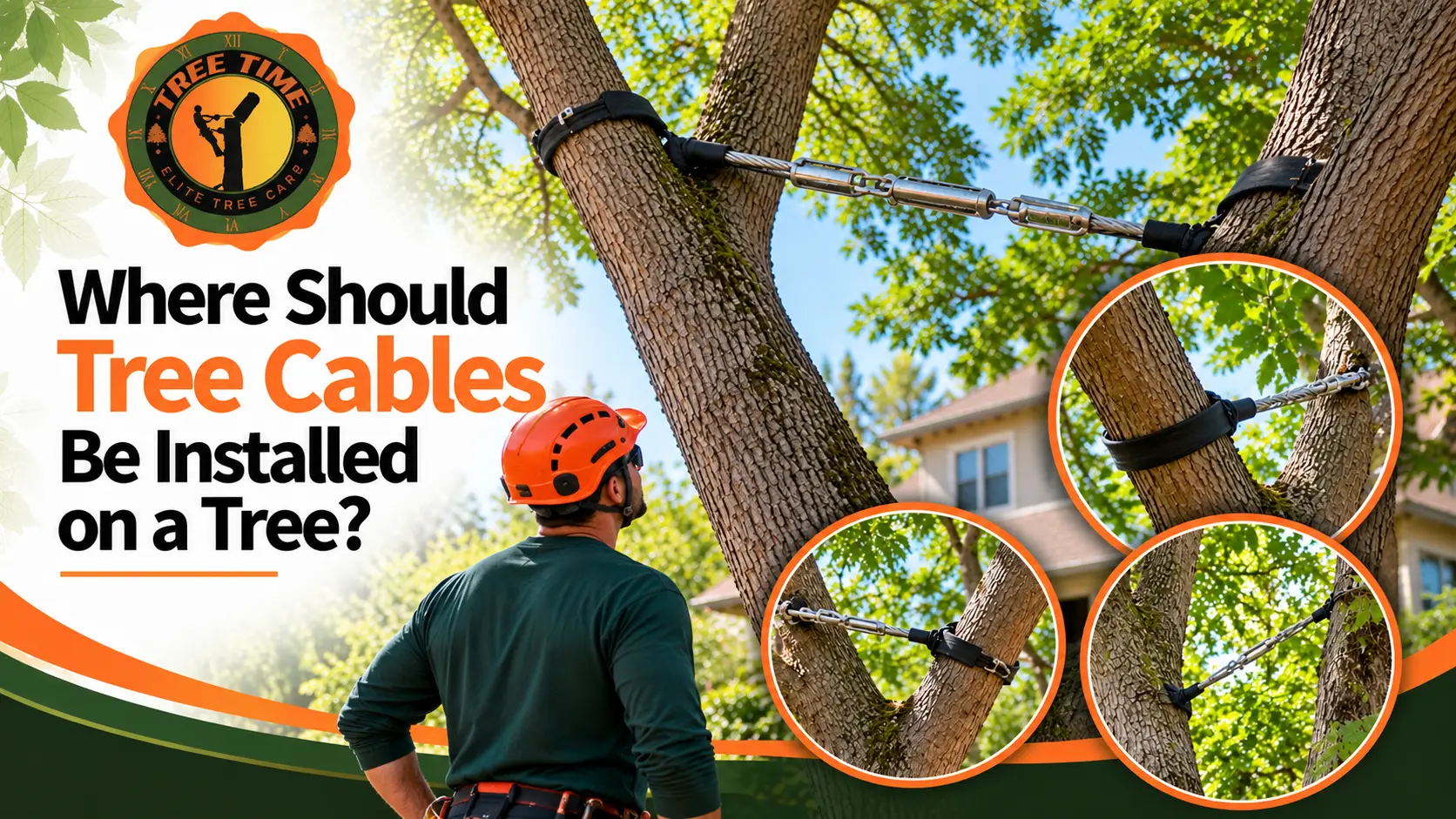
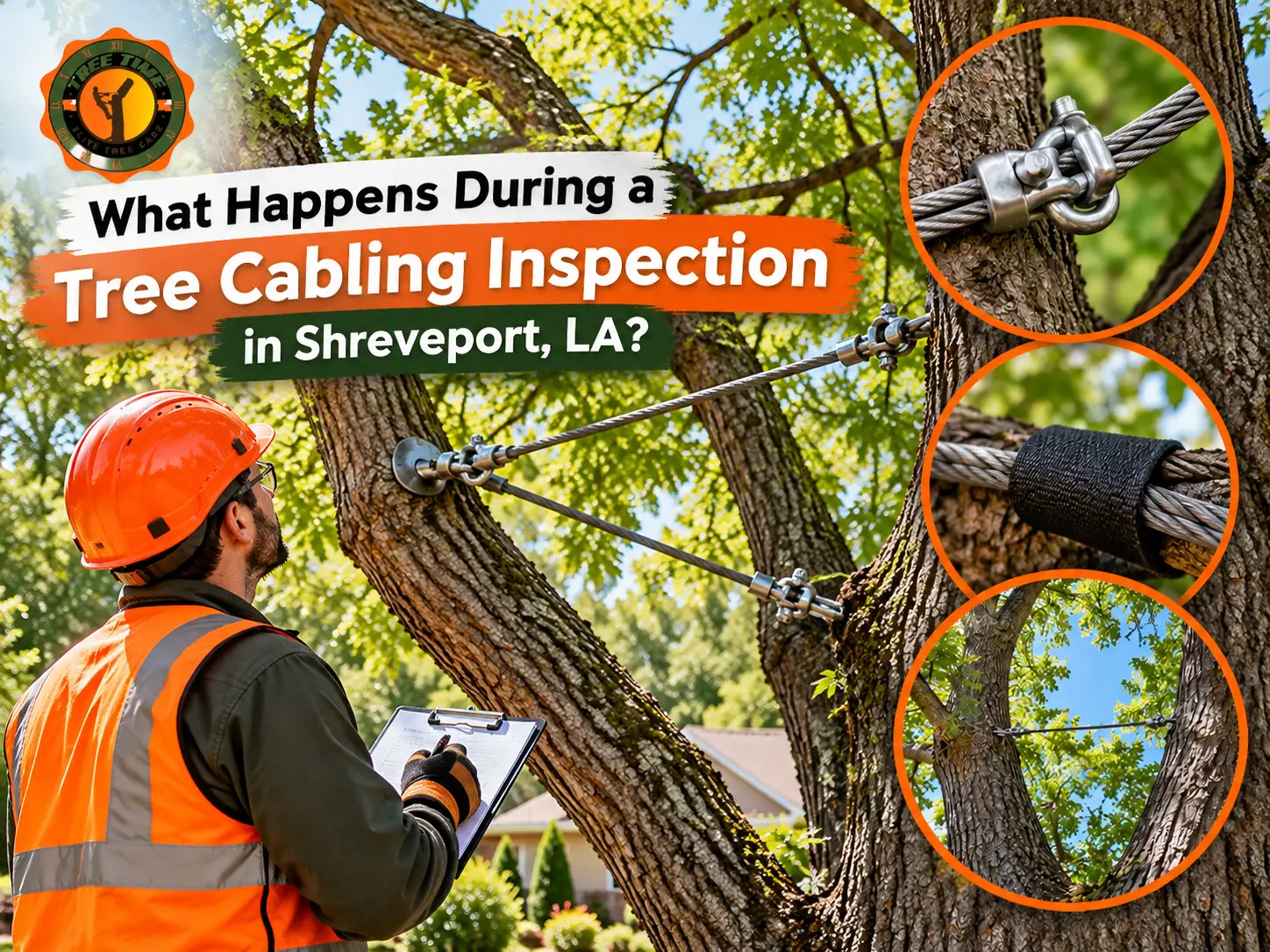
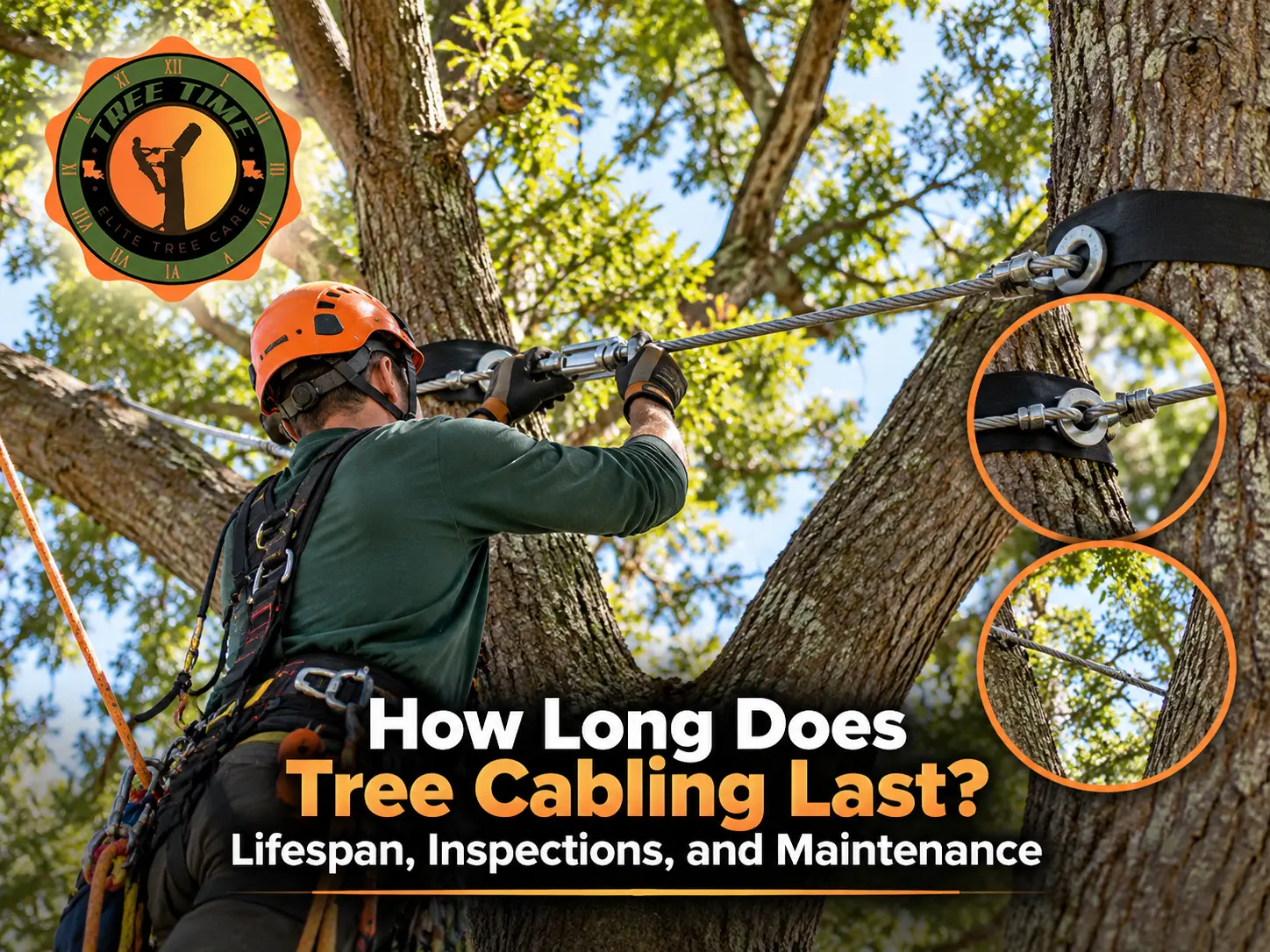
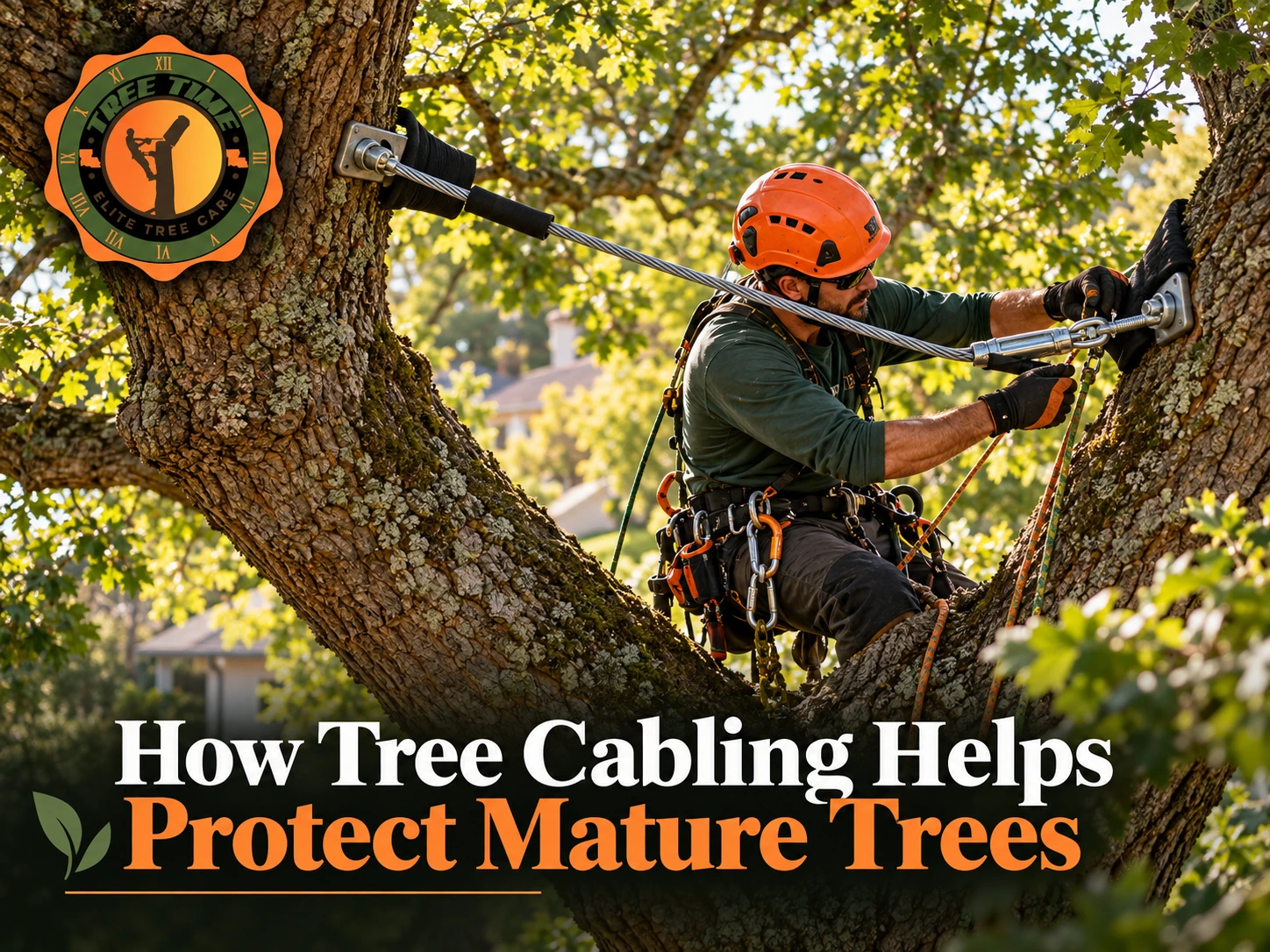
An arborist will check the break site, the remaining canopy, and the attachments of other large limbs. The fix depends on what they find. Some trees just need monitoring, while others need selective pruning or a cable and brace system. Removal only makes sense when the assessment shows nothing else will make the tree reasonably safe.
How Can Homeowners Reduce the Risk of Unexpected Limb Breakage?
Good care catches many structural problems while they’re still small and cheaper to fix. It can’t stop every failure, but it tilts the odds in your favor:
- Schedule periodic inspections for mature trees with big limbs.
- Deal with deadwood, damaged limbs, and suspect unions once someone flags them.
- Stick with proper pruning cuts and never top a tree or strip out big chunks of canopy.
- Watch for changes after storms, long heat waves, or droughts.
- Leave major pruning to crews with the right gear and training.
An arborist might suggest trimming end weight off a long limb or cabling a weak union. Not every tree needs heavy cutting, and over-pruning can push out weak new sprouts that cause trouble later.
Frequently Asked Questions
Can a healthy tree really drop a large branch without wind?
Yes. Some calm-day breaks come from hidden decay or weak unions, while others fit the summer branch drop pattern with no clear defect.
Does a tree become dangerous after losing one large limb?
Not automatically. One failure deserves attention but doesn’t mean the tree has to come down, so have an arborist check the remaining structure first.
Should a large tree limb be removed if it has visible cracks?
A crack often signals a real structural problem. Keep your saw on the shelf for large or high limbs and get a professional assessment before anyone starts cutting.
Final Thoughts
A green canopy doesn’t prove every branch is sound. Hidden decay and weak attachments explain many sudden failures, while summer branch drop remains a less understood pattern. Either way, a large fallen limb or a visible defect is your cue to look closer. Tree Time Elite Tree Care serves homeowners across Northwest Louisiana, led by Louisiana-licensed arborist Kevin Lee and his 30 years of experience. If a big limb just came down or one overhead has you worried, contact Tree Time Elite Tree Care to set up an inspection.